Light Up Your Brand: Commercial Canopy Signage That Gets Noticed
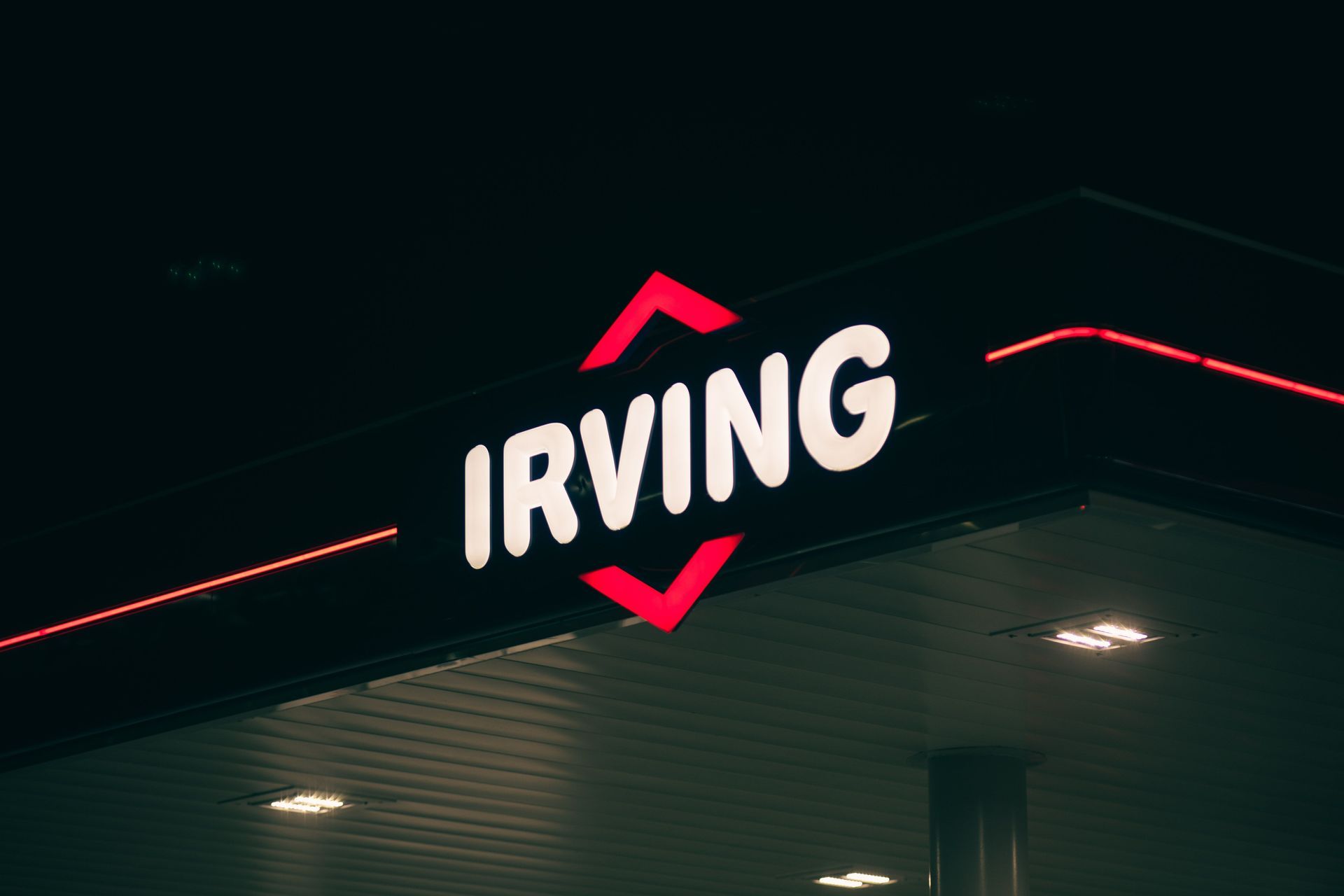
Holiday foot traffic ramps up fast. The right canopy signage makes your entrance easy to find, your brand easy to remember, and your storefront inviting after dark. If your current awning or canopy disappears at dusk or feels off-brand in photos, now is the window to upgrade before Q4 crowds arrive.
Thatcher Oaks designs and installs canopy-integrated signage across Chicagoland with a focus on durability, visibility, and code-ready performance. From non-illuminated graphics that pop during the day to LED-lit letters and cabinets that carry your brand cleanly at night, we help you choose the option that fits your site, your budget, and your municipal requirements.
Your canopy signage options
You have three strong paths, and many storefronts mix two for layered impact.
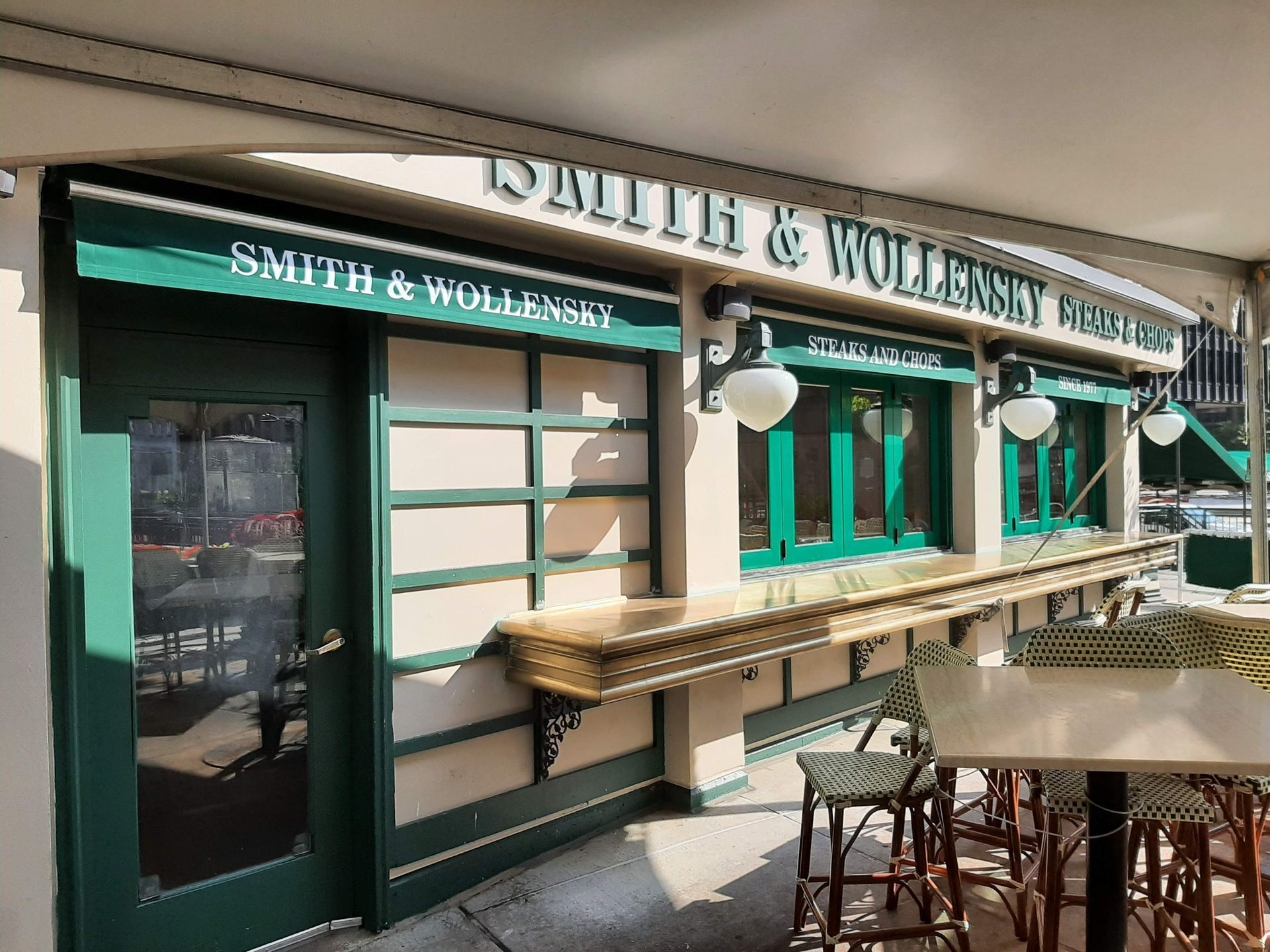
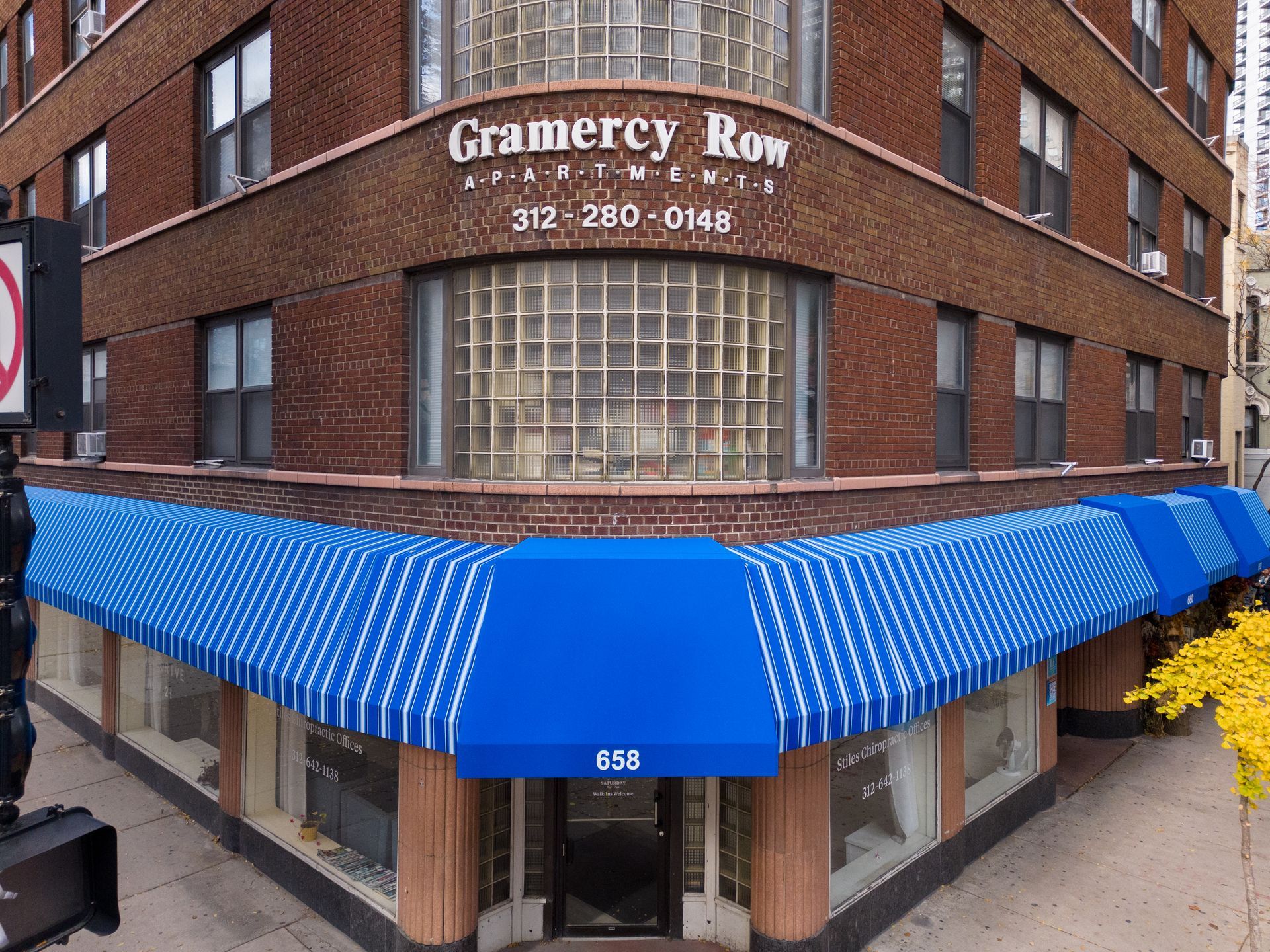
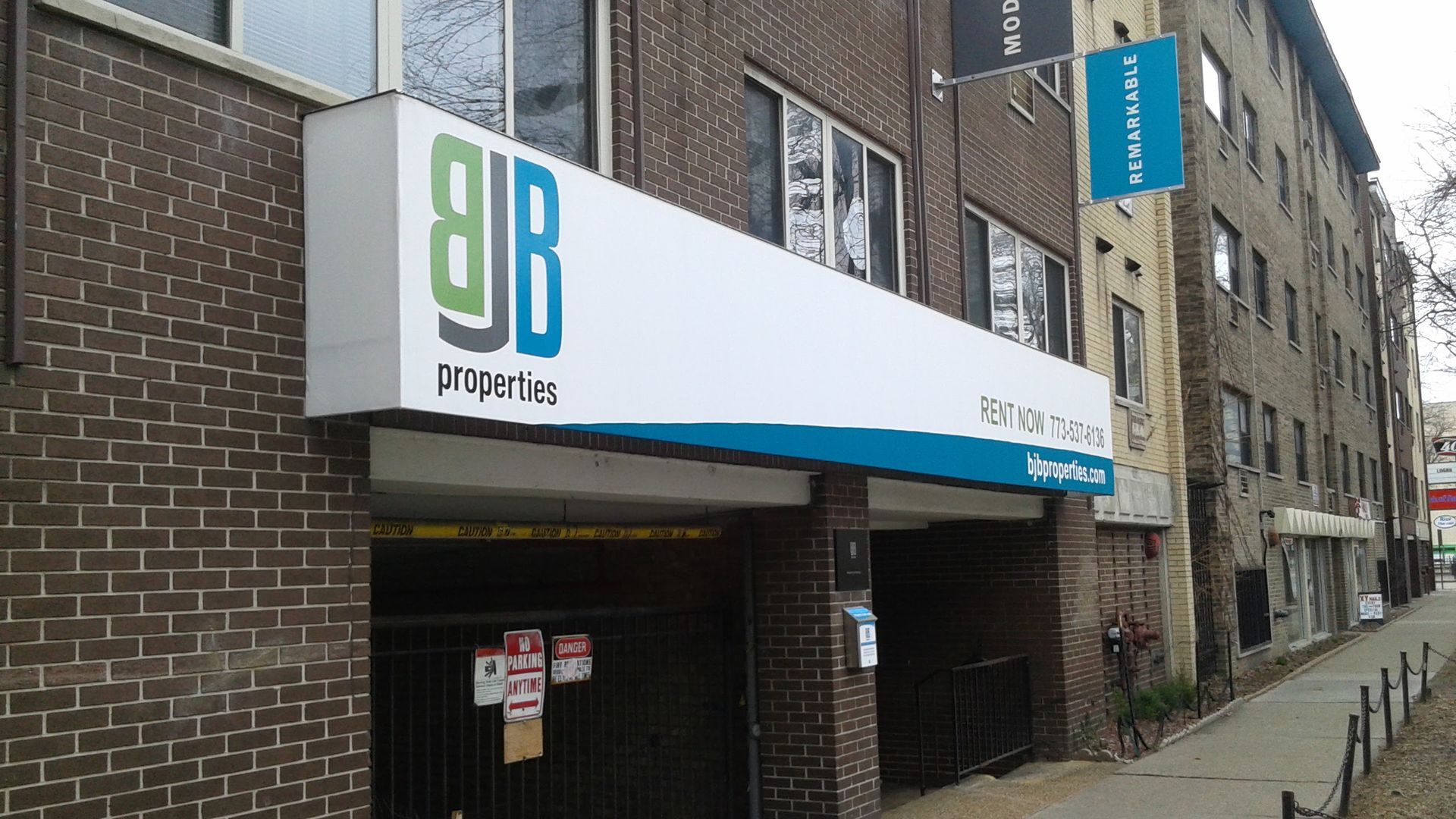
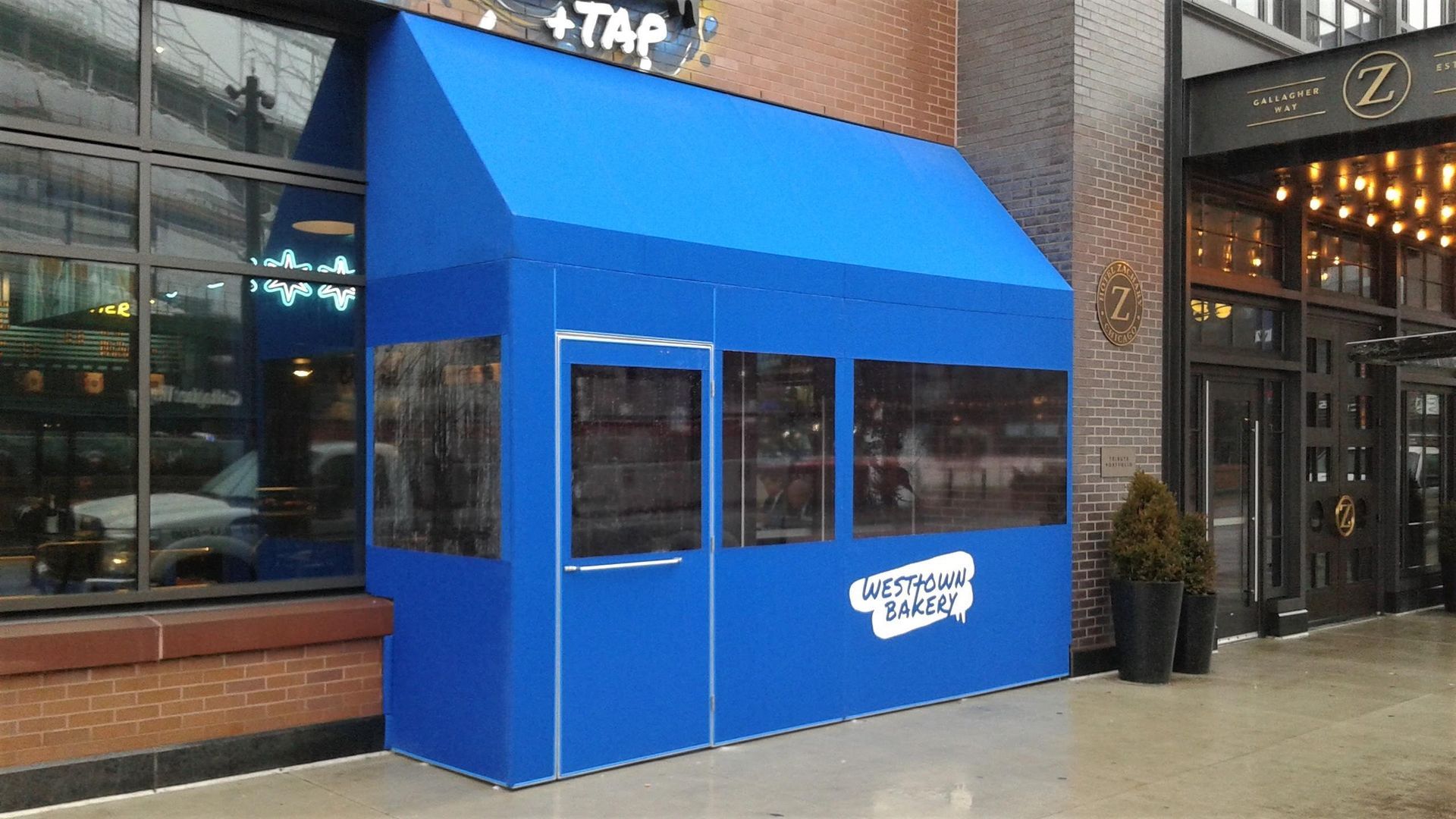
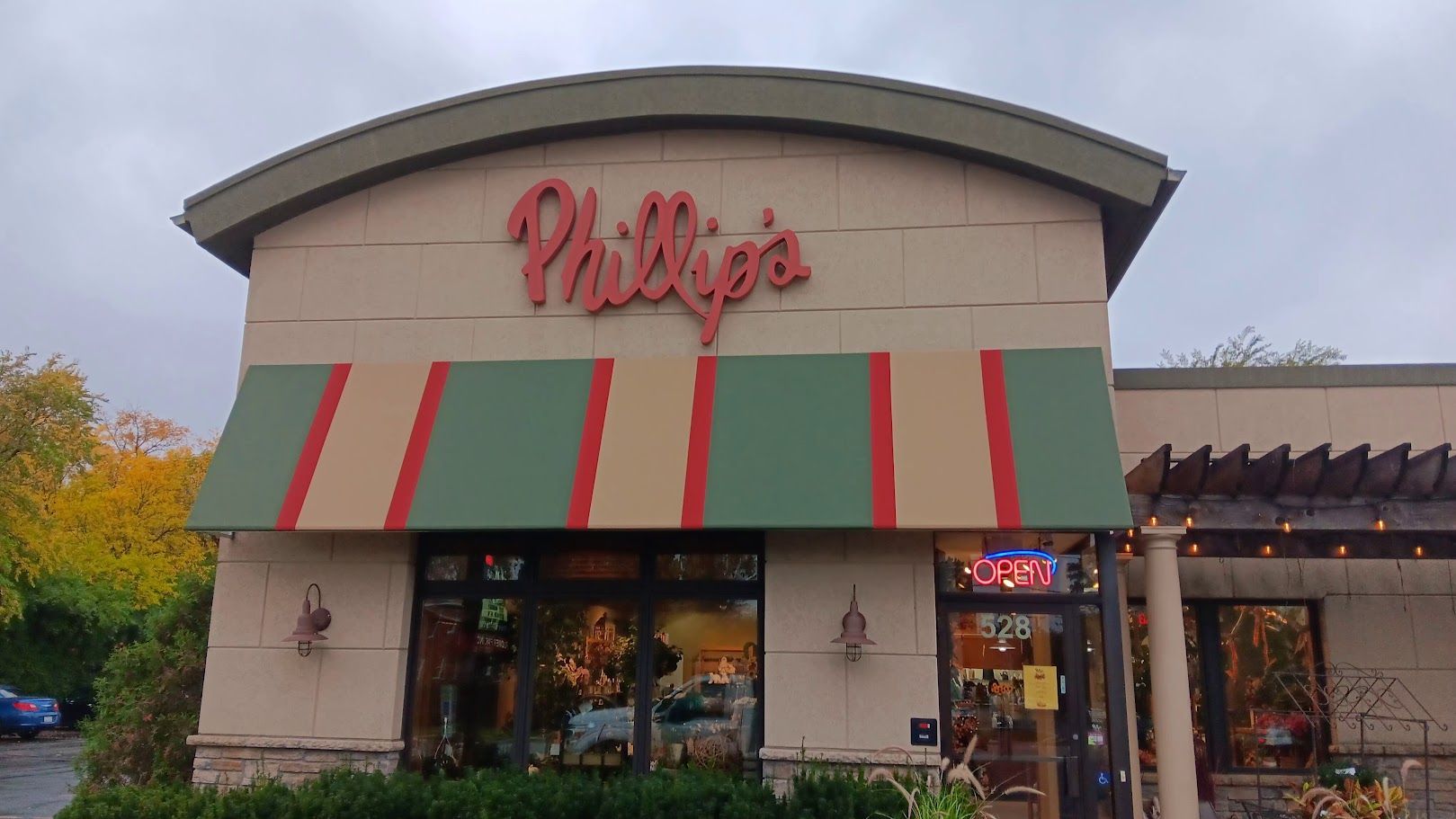
- Non-illuminated graphics on awnings: Vinyl-applied or digitally printed graphics on fabric or metal-faced awnings keep things simple and cost-conscious. They are effective on bright streets and pair well with window graphics for daytime brand presence.
- Halo-lit letters on canopies: Channel letters mounted to the canopy fascia or on standoffs wash light against the surface for a refined glow. Popular for restaurants and boutiques, halo-lit signage reads clearly from oblique angles and avoids glare.
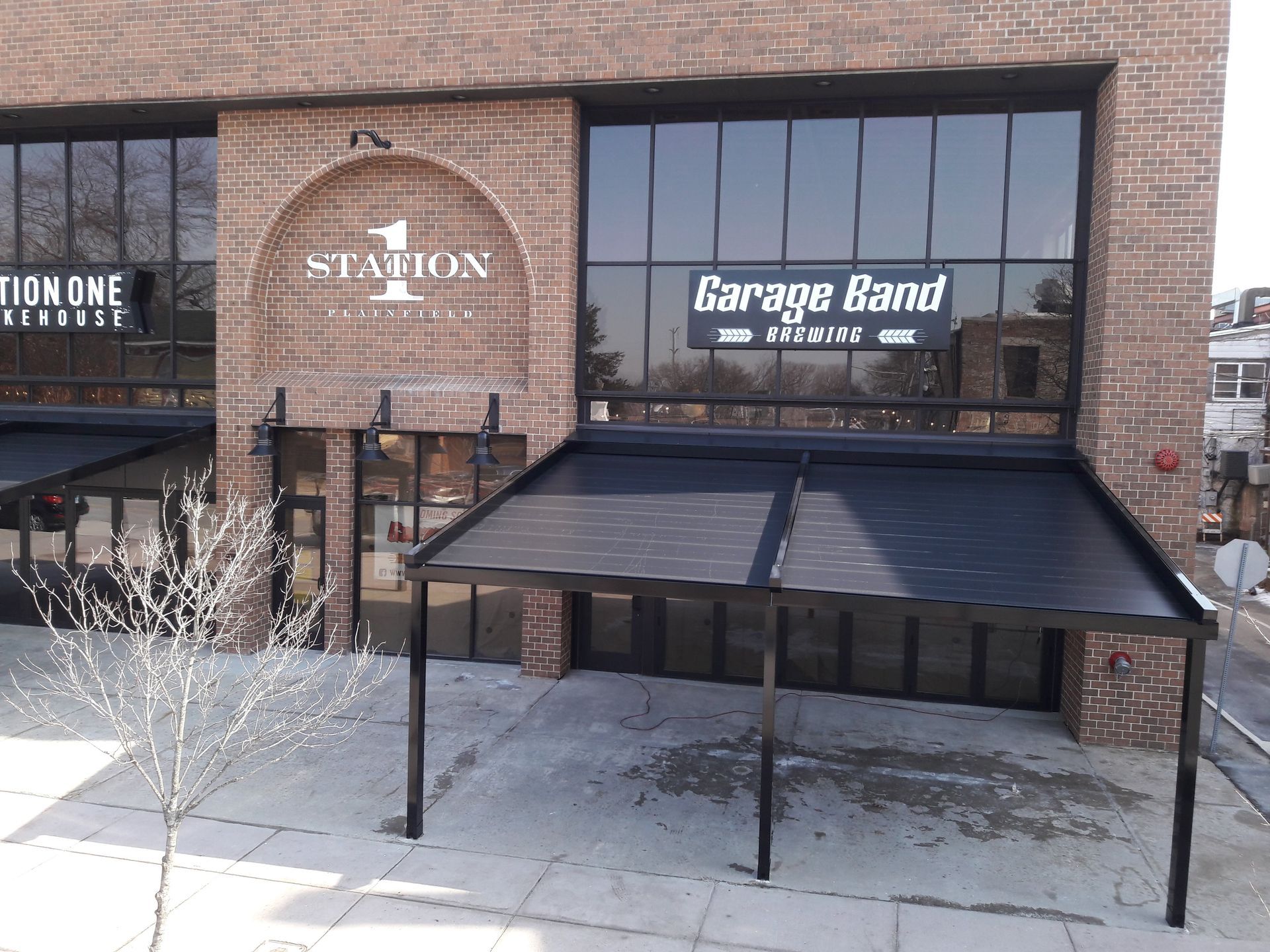
- Internally illuminated sign boxes: Also called sign cabinets or light boxes, these aluminum housings with acrylic faces distribute LED light evenly behind your logo and typography. With controlled opacity and color, they remain legible in rain, fog, and snow flurries.
Each approach can be engineered to your canopy’s size and mounting conditions so supports, snow-load limits, and clearances remain intact.
Materials that last in Chicago weather
Commercial signage lives outside in freeze-thaw cycles, wind-driven rain, and drifting snow. We specify materials that shrug off that abuse:
- Aluminum cabinets: Lightweight, corrosion-resistant, and strong. Powder-coated finishes resist salt and grime while keeping color true.
- Acrylic faces: Acrylic provides crisp edges and even light transmission, resists yellowing, and maintains impact resistance in cold temperatures. Compared with some plastics, acrylic is less prone to haze and delivers consistent diffusion, which is why it is widely used for illuminated faces and push-through lettering.
- LED modules: High-efficiency LEDs run cooler and draw less power than legacy lamps. Quality modules paired with proper power supplies deliver long service life with minimal brightness loss, even in winter.
When integrated with standing seam metal canopies or fabric awnings, we coordinate fasteners, gaskets, and penetrations to keep water out and maintain the canopy’s structural and snow-load ratings.
Integration with new or existing awnings and canopies
Whether you are adding signage to a new canopy or enhancing an existing awning, the goal is cohesive branding without clutter. Our team plans:
- Sightlines and letter heights for quick recognition at pedestrian and drive-up distances.
- Conduit routes inside beams or behind fascia to hide wiring and reduce wall penetrations.
- Brightness levels and color temperatures that meet local code and your brand standards, avoiding hot spots or spill light into upper-story windows.
- Graphics alignment across the canopy, valance, and door for one continuous brand moment that photographs well.
For retrofit work, we verify frame capacity, anchorage, and fascia condition before recommending letter sizes or cabinet dimensions. Where frames are sound but fabric is tired, a recover with fresh graphics can pair nicely with halo letters for a day-to-night solution.
Permits and a smoother path to install
Most municipalities in the Chicago area require permits for commercial awnings, canopies, and illuminated signs. Typical steps include site photos, scaled elevations, structural and electrical drawings, landlord approvals where applicable, and inspections. For illuminated work, electrical permits and photometric or brightness documentation may be requested, and some towns set quiet-hour lighting limits.
Thatcher Oaks coordinates measurements, stamped drawings where required, submittals to the authority having jurisdiction, and installation scheduling. Winter fabrication can proceed while permits are in review, which helps meet pre-holiday deadlines once approvals land.
A quick note from a recent client
“Clear communication from day one, drawings that our landlord approved on the first pass, and a flawless install that made our storefront pop the very first night. The team was polite and professional throughout.”
Planning ranges and smart budgeting
Commercial awning and canopy costs vary with size, supports, lighting, drainage, and site conditions. A fabric recover on a sound frame can land in the low to mid-thousands, while full replacements for standard entries commonly run in the mid-thousands to low teens. Engineered standing seam canopies and long walkway systems can extend higher once spans, footings, and snow-load requirements are included. Integrated illuminated signage adds electrical scope and finish details, so a site review and itemized proposal are the best next steps.
If you are evaluating options in the western suburbs, you can explore examples of cohesive canopy branding and signage in Elmhurst, including integrated faces and snow-load rated systems, on our Elmhurst awnings and signage page. You will also find guidance on coordination, maintenance, and seasonal planning for canopy and sign integrations. For businesses considering a refresh without a rebuild, see how an awning retrofit in Hinsdale can align new graphics with a durable structure for the holiday rush.
- Explore Elmhurst canopy branding and integrated signage: https://www.thatcheroaks.com/elmhurst-il-commercial-awnings
- See retrofit and installation support in Hinsdale: https://www.thatcheroaks.com/hinsdale-il-commercial-awnings
FAQ: straight answers for busy managers
- What are illuminated signs called? Many storefront illuminated signs are channel letters, halo-lit letters, or sign cabinets, also called light boxes.
- What is an internally illuminated sign? It is a sign with a light source inside the housing that shines through a face, typically an acrylic panel, to make graphics readable at night.
- Why is acrylic used for illuminated signs? Acrylic diffuses LED light evenly, maintains color accuracy, stays clear without yellowing as quickly as some plastics, and holds up to cold, wet conditions common in Chicago.
- How much does a commercial awning cost? It varies. Recovering fabric on a good frame is often in the low to mid-thousands, many full replacements for a typical entry land in the mid-thousands to low teens, and engineered metal or extended walkway systems can be higher depending on spans, drainage, lighting, and permitting.
- What is a business awning? A business awning is a fixed or retractable covering over a storefront, window, or entry that provides shade, weather protection, and a branded surface for graphics.
- Do I need a permit to put up an awning? In most municipalities, yes. Expect building and sometimes electrical permits, with drawings and inspections. Requirements vary by city and landlord.
Book now for Q4 visibility
If you want your brand to stand out after 4 p.m. in December, now is the moment to align canopy signage, graphics, and lighting. Thatcher Oaks measures, engineers, fabricates, and installs in-house, and we support permitting so your project stays on track.
Book a signage and canopy branding consult to capture Q4 foot traffic. Call 630-833-5700 or email
info@thatcheroaks.com to get started. Visit our Elmhurst showroom at 450 W. Wrightwood Ave., Elmhurst, IL 60126.