2026 Facility Refresh: Branding Your Entrance With Integrated Canopy Signage
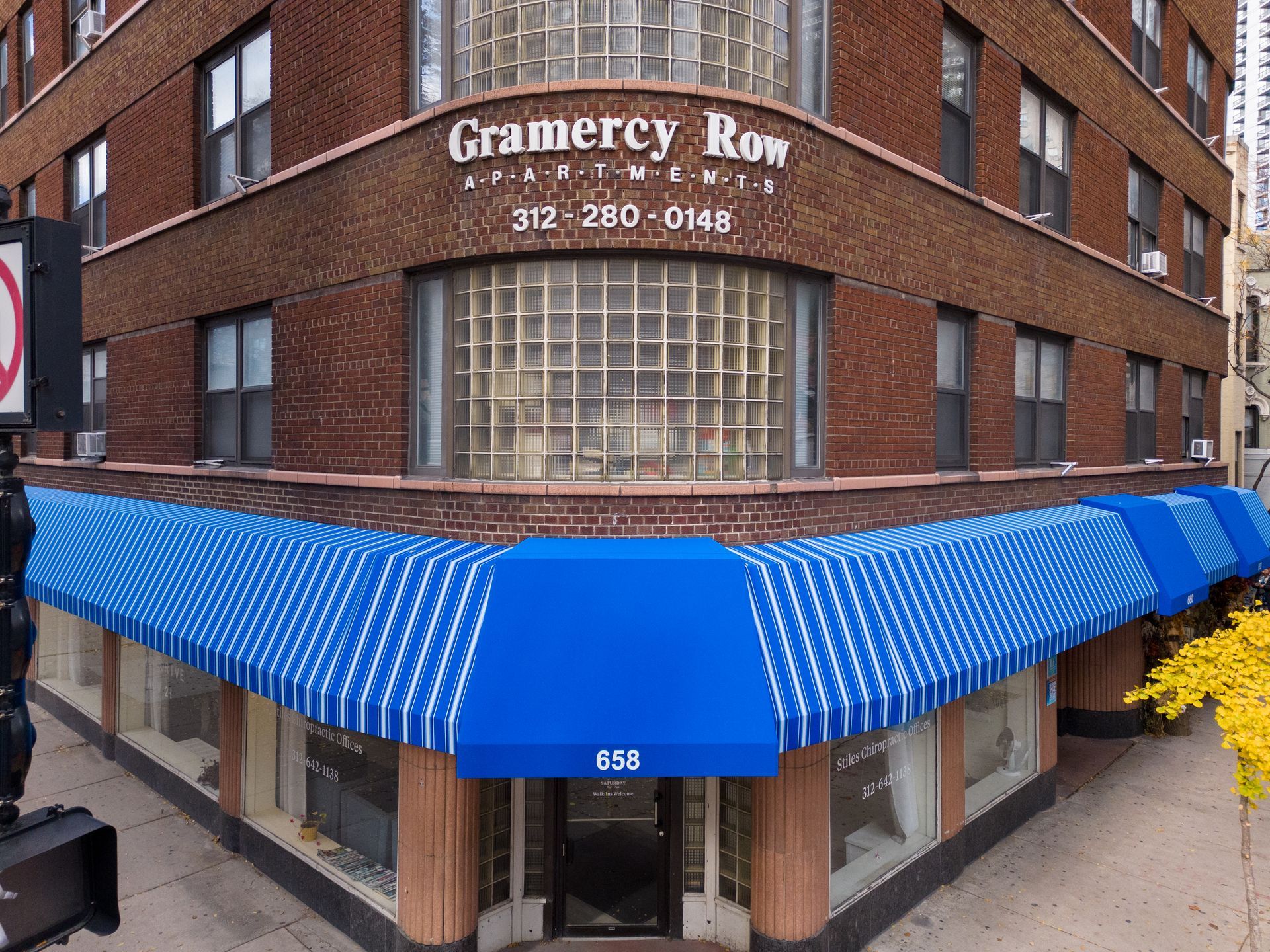
If you are planning a storefront or campus refresh this year, start at the entrance. A canopy or awning with integrated, illuminated branding can do three jobs at once, it protects guests from weather, guides people to the right door, and puts your name in lights for day and night visibility. When signage and shade structure are designed together, you get a cleaner facade, fewer wall penetrations, and a cohesive brand moment every time someone arrives.
What counts as an illuminated sign?
Illuminated signs are often called lighted signs, LED signs, backlit signs, or internally illuminated signs. You will also hear terms like channel letters, push thru letters, halo lit letters, and illuminated sign cabinets. Each describes how light is delivered through or around the graphics. Choosing the right type depends on your architecture, visibility goals, and energy use targets.
Sign types that integrate well with canopies
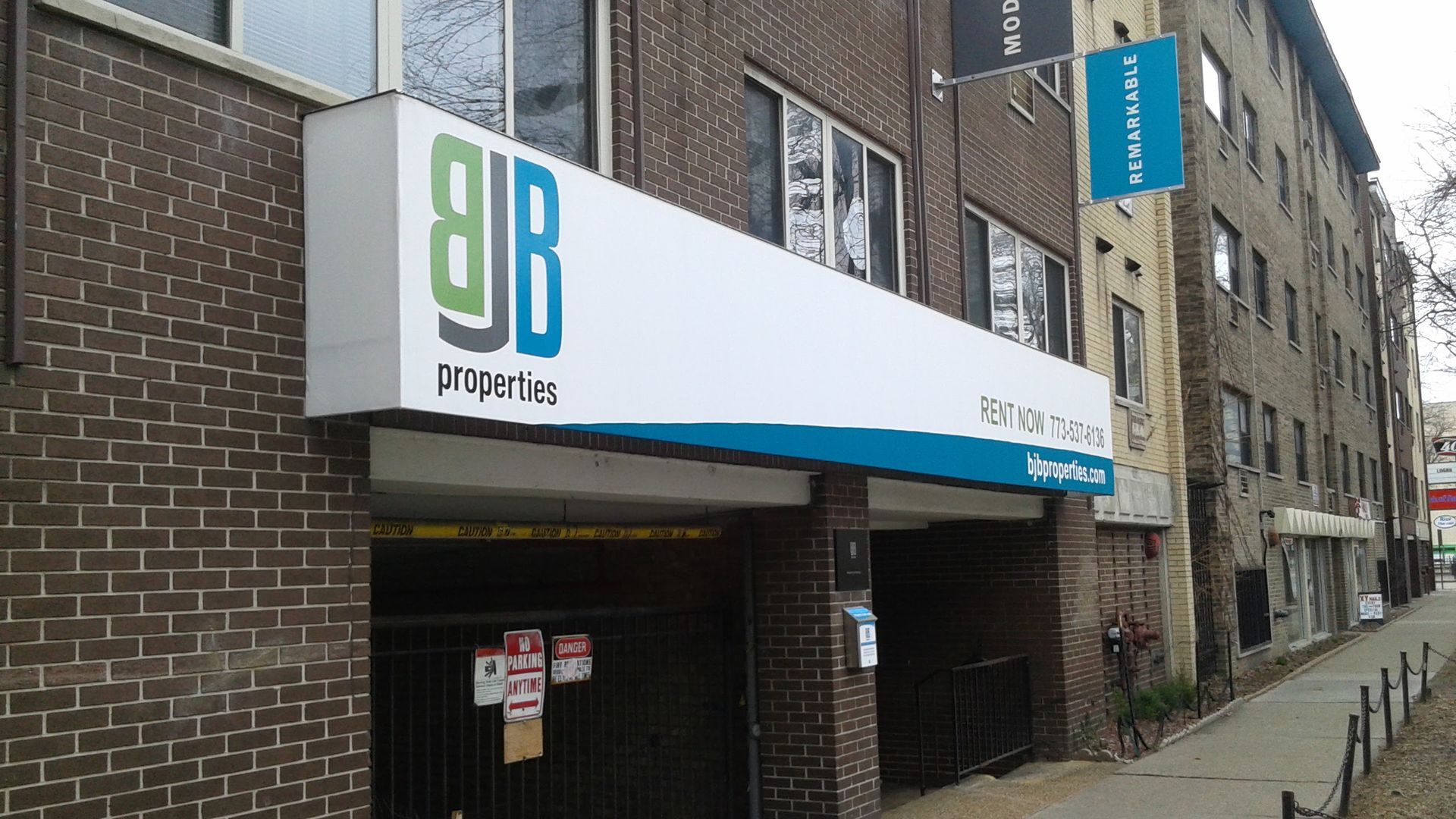
- Internally illuminated cabinets: A box style sign with a rigid aluminum frame and an acrylic sign face that lights evenly from within. Great for logos with solid fills, multi tenant sites, or where you need maximum readability from a distance.
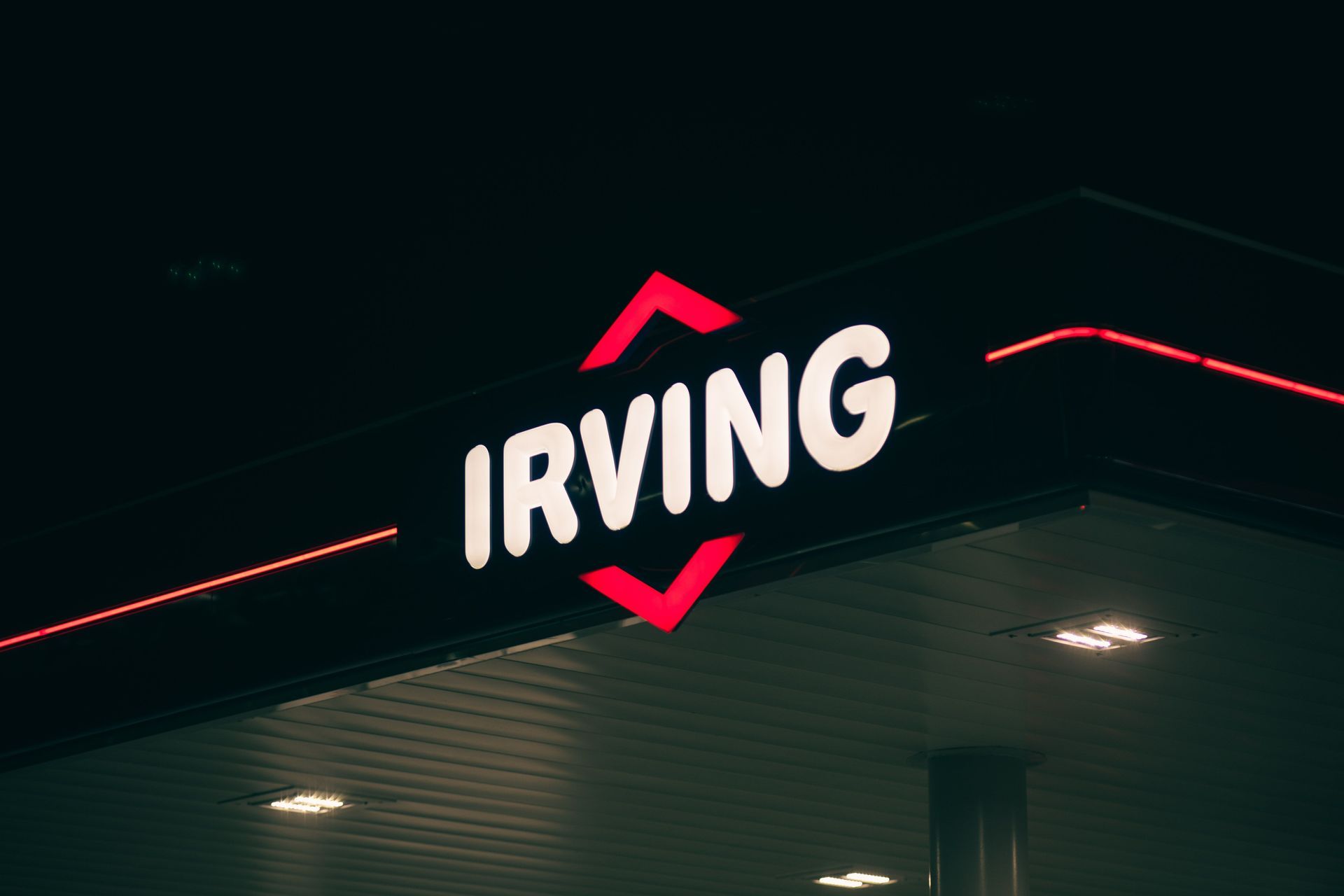
- Push thru letters: Acrylic letters or graphics are routed through an opaque aluminum face and stand proud of the surface. The result is crisp edges, bright letter faces, and a premium, dimensional look.
- Halo lit letters: Also called backlit letters, the light emits from behind the opaque letter, creating a soft glow around each character. Perfect when you want sophisticated nighttime presence with controlled
- brightness.
- Channel letters: Individual letter forms with integrated LEDs. These can be face lit, halo lit, or both. They mount to the canopy fascia or a raceway concealed within the canopy design.
An internally illuminated sign uses LEDs mounted inside a cabinet or letter body to light the face or to create a halo effect. The light source is hidden, the effect is clean, and properly engineered LED layouts deliver even brightness without hot spots.
What are illuminated signs made of?
Most commercial illuminated signs use aluminum for structure, strength, and corrosion resistance. Faces are typically acrylic or polycarbonate for light transmission and impact resistance. Diffuser films, vinyl, or digitally printed graphics add color and opacity control. For canopy integration, we coordinate the sign housing with the canopy fascia, often powder coated aluminum, so sightlines and seams align. LEDs are the standard light source, they are efficient, low maintenance, and available in brand specific color temperatures.
Why combine signage with a canopy or awning?
- Visibility: Lighting at eye level and above the door makes your brand readable from the sidewalk and the street, even in winter dusk.
- Wayfinding: Guests know which door to use, helpful for multi entry campuses and retail centers.
- Weather protection: Keep customers dry and comfortable while reinforcing your brand at the exact moment of arrival.
- Clean construction: One coordinated system means fewer penetrations, integrated wiring, and simplified maintenance access.
- Consistent design: Colors, profiles, and materials match, so the entire entrance reads as one branded element.
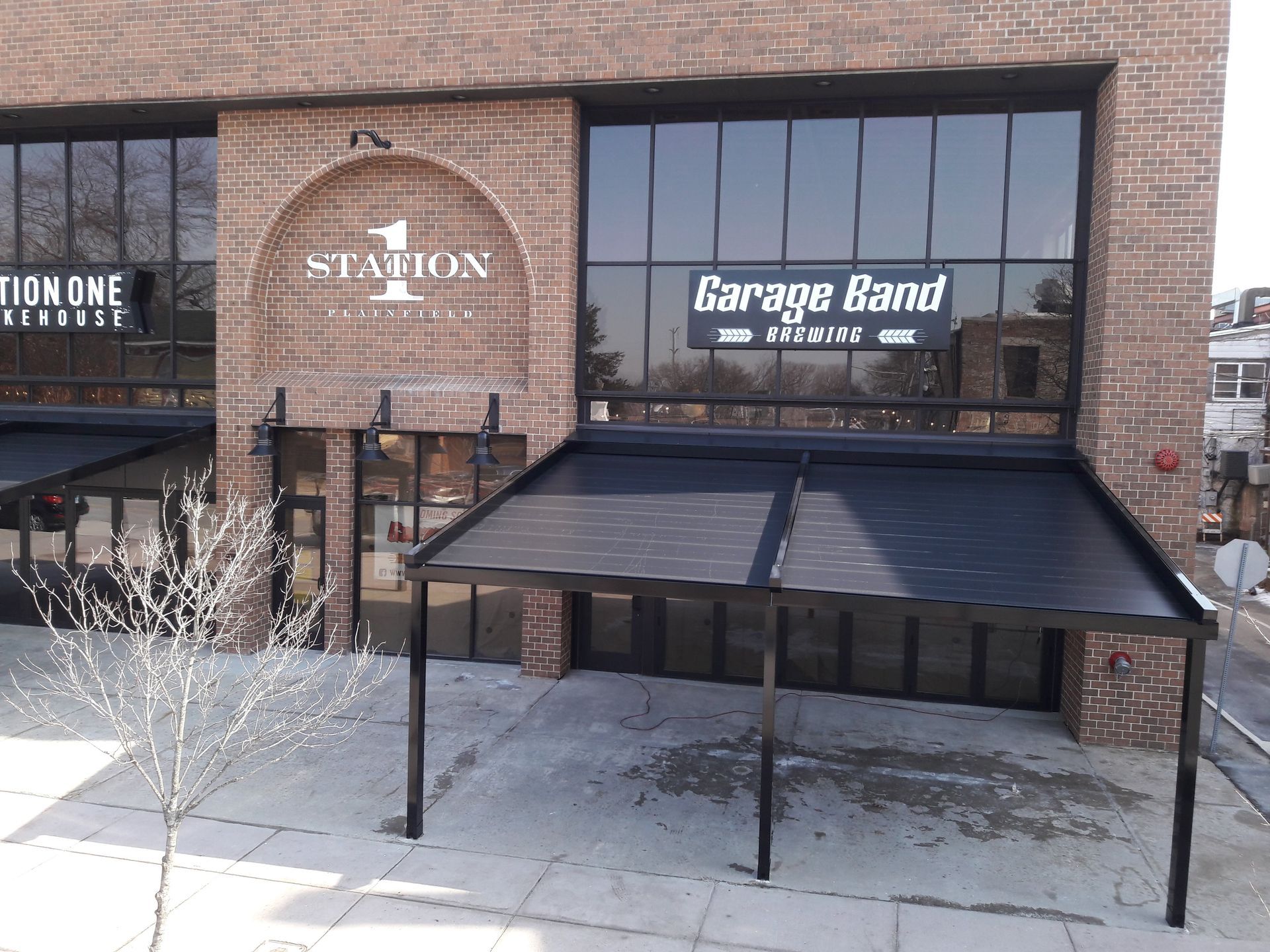
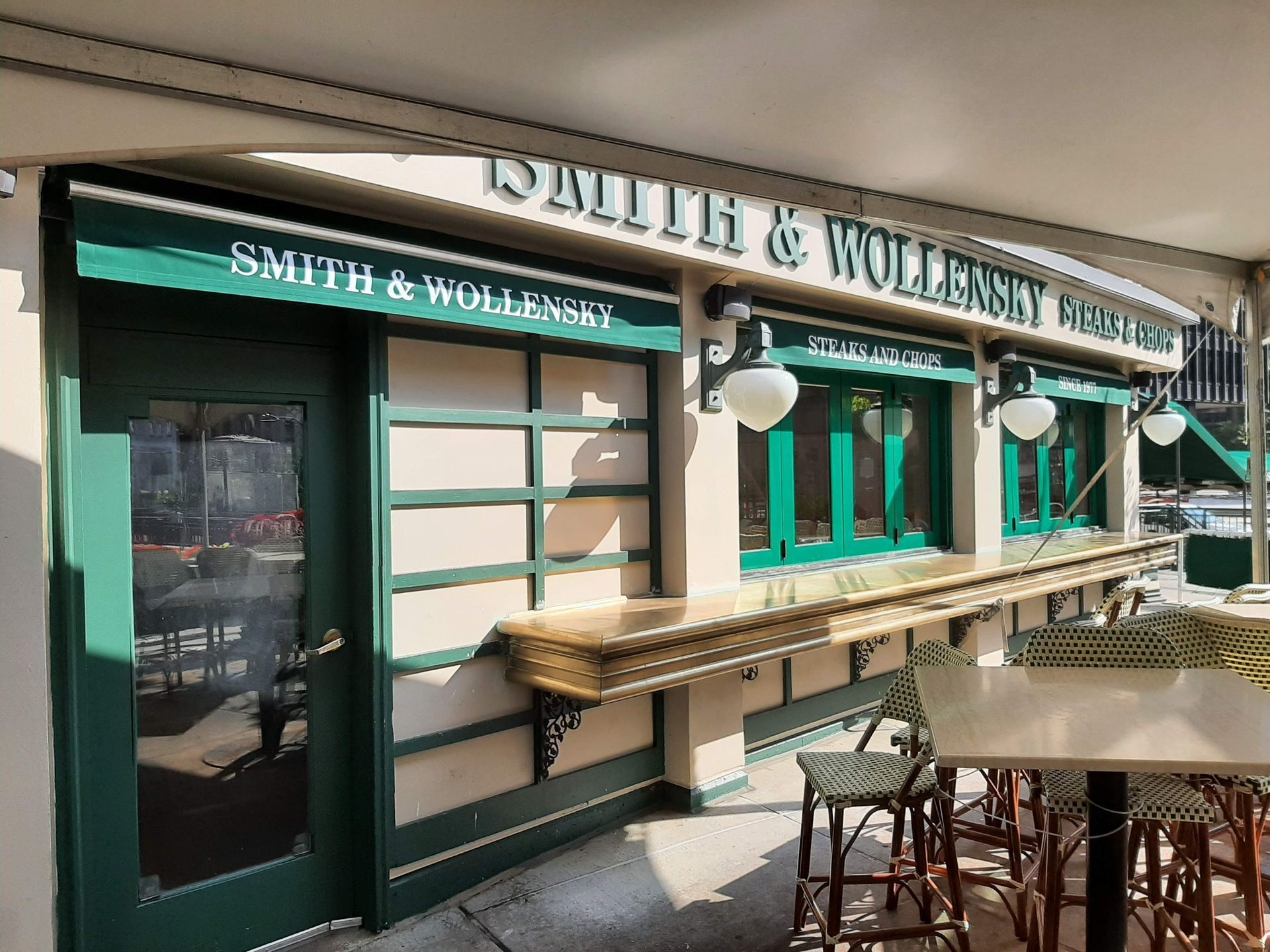
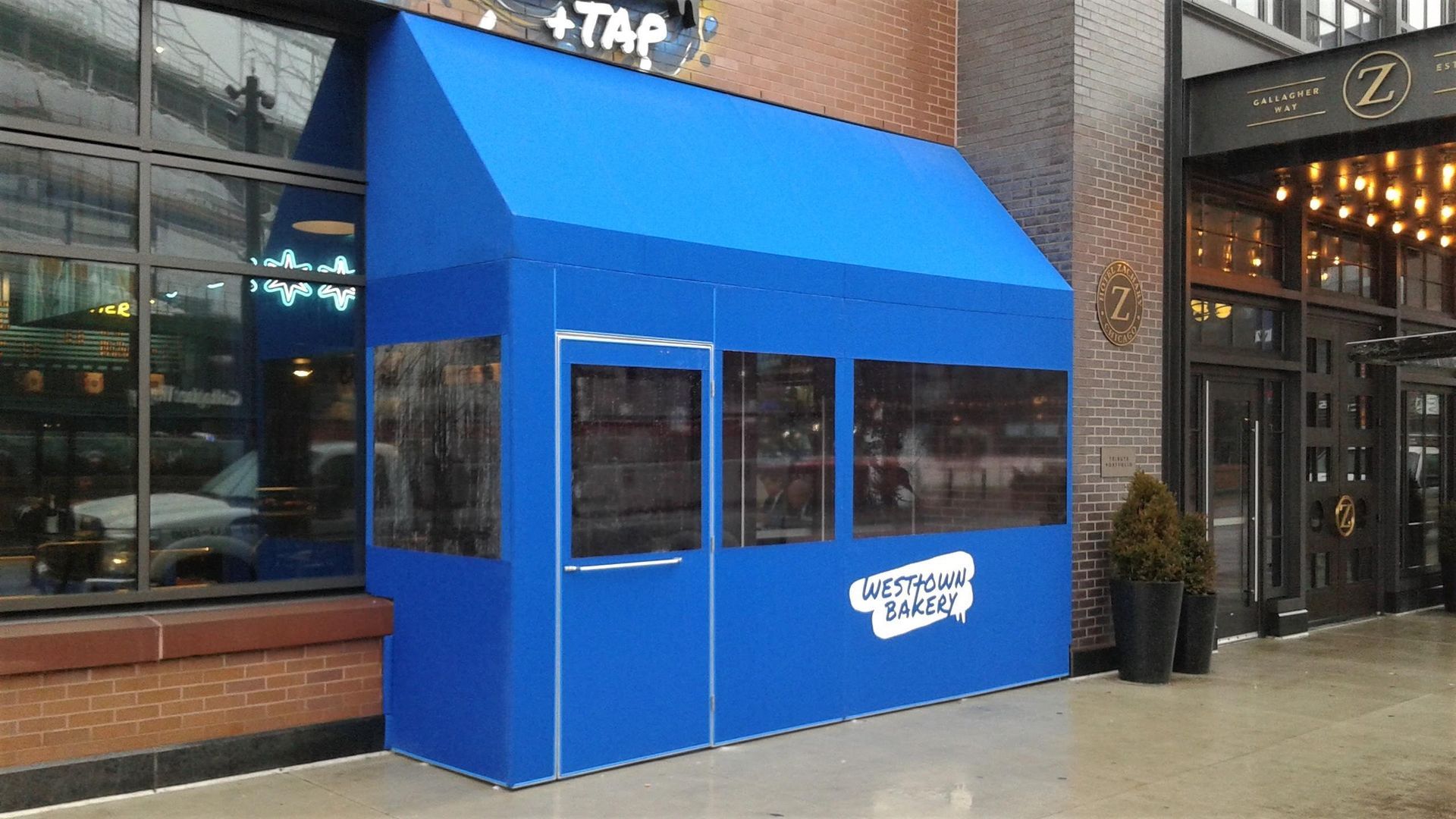
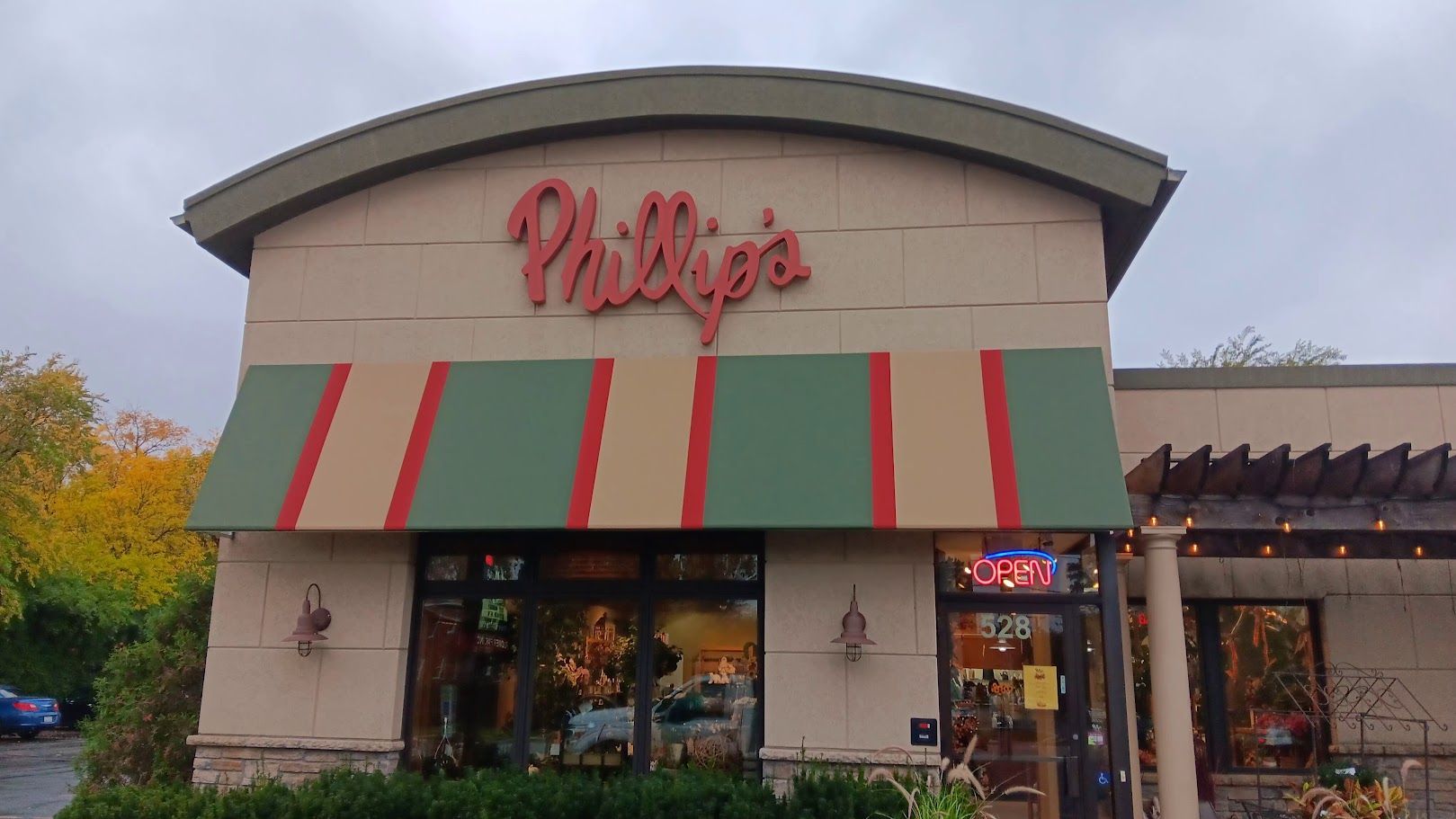
A business awning is a fixed or retractable shade structure mounted to your building to protect windows or entrances. In commercial use, awnings reduce heat gain and glare, improve comfort, and create space for graphics. When executed in standing seam metal, you get durable, low maintenance performance and a contemporary profile that pairs well with illuminated letters.
Materials and lighting choices that last
- Aluminum framing: Lightweight, rust resistant, and ideal for precise fabrication of both canopies and sign housings.
- Acrylic faces and push thru letters: Weather resistant and bright with excellent edge definition.
- Standing seam metal awnings: Long life, strong lines, and great load performance with minimal maintenance.
- LED lighting: Energy efficient, dimmable, long life, and reliable in cold climates. Properly sealed LED modules and drivers keep your system running through Midwest winters.
Permitting basics for awnings and illuminated canopy signs
Do you need a permit to put up an awning? In most municipalities, yes. You typically need:
- A building permit for the canopy or awning structure
- A sign permit for illuminated graphics, with drawings that show size, location, and lighting details
- An electrical permit for wiring and connections
Local codes also govern projection over sidewalks, mounting height, snow load, wind load, and brightness. A qualified partner will provide stamped drawings when required and coordinate inspections so your project passes on the first try.
A realistic design to install timeline
Every site is unique, but this is a good planning baseline:
- Discovery and measurements, 1 week. Site visit, photos, measurements, and discussion of goals.
- Design and approvals, 2 to 4 weeks. Concept renderings, materials, light levels, and permit ready drawings. City review can add time depending on the season.
- Fabrication, 4 to 8 weeks. In house metalwork, finish, electrical, and graphics. Winter is ideal for fabrication schedules, shop capacity opens up after the holidays, and you can get ahead of spring installs.
- Installation, 1 to 3 days. Staging, electrical tie in, and final adjustments. Complex walkways or long canopies may require additional days and off hour work to minimize disruption.
Starting design in January helps you hit a late winter or early spring relaunch, with your entrance refreshed before patio season or peak visitor traffic.
Photo ready tips for your relaunch
- Align the fascia: Keep canopy seams and letter placement centered on the entry door for clean symmetry.
- Choose the right color temperature: 3000K feels warm and hospitality focused, 4000K to 5000K reads bright and crisp for healthcare and retail.
- Manage reflections: Use matte or low gloss finishes on canopy faces near illuminated letters to keep glare down in photos.
- Dim for dusk: Add a photocell or programmable dimmer so signage is bright at dusk, then stepped down late at night.
- Hide the hardware: Integrate raceways, wire chases, and access panels inside the canopy design.
- Test at night: Do a nighttime punch list before your photographer arrives, check for light leaks, level letters, and consistent brightness.
Winter advantages you can use now
Cold weather does not stop canopy and sign fabrication. In fact, winter can accelerate your schedule. While permits are in review, your aluminum framing, standing seam panels, and sign cabinets can be built in the shop. You get shorter lead times, easier install dates, and a ready to shine entrance as soon as frost lifts.
Bringing it all together, local support matters
If you manage a multi site portfolio across Chicagoland, having one team design, build, wire, and install the full system saves you time and coordination headaches. Thatcher Oaks manufactures and installs commercial awnings, canopies, and integrated signage with in house crews, from measurements to final wipe down. For Elmhurst projects, consider exploring an elmhurst commercial canopy sign to see how canopy and lighting packages come together. Planning a corridor or drop off zone, a standing seam walkway canopy elmhurst is a durable solution that keeps guests protected while highlighting your brand. If you are updating an existing storefront, an awning retrofit Hinsdale can refresh your fascia and add efficient LED illumination without a full rebuild.
Summary
Integrated canopy signage turns your entrance into a clear, protected, and memorable brand moment. You now know what illuminated signs are called, what an internally illuminated sign is, what illuminated signs are made of, and why a business awning is a smart platform for lighting and graphics. With a clear permitting plan, a realistic design to install timeline, and winter fabrication advantages, you can relaunch with confidence and capture great photos on day one. Ready to plan your 2026 facility refresh, reach out to coordinate design, permitting, fabrication, and installation with one accountable team.