Spring prep in Chicago: preventative maintenance for commercial awnings and canopies
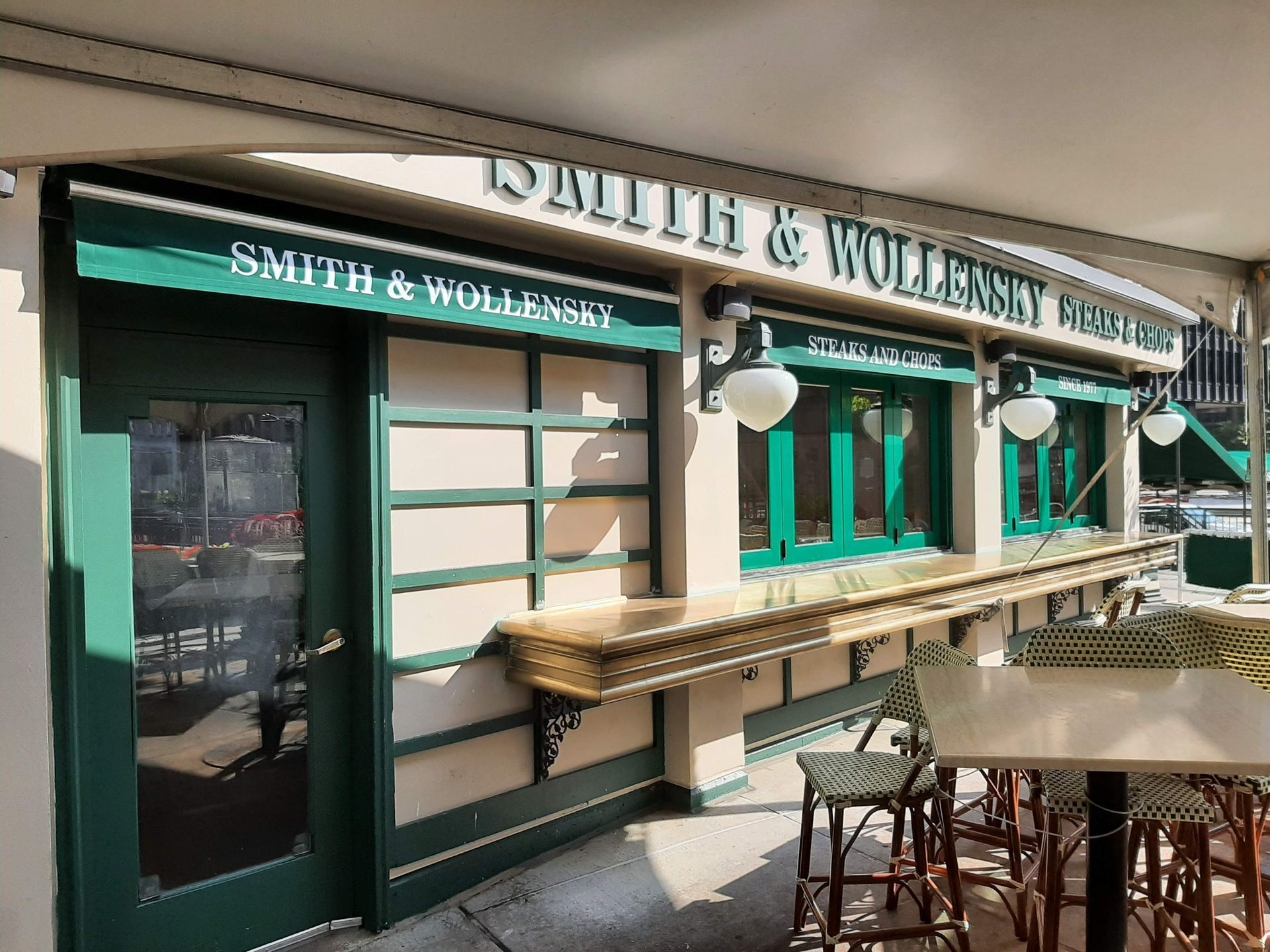
Spring in Chicagoland shows up fast. One warm week can be followed by a line of storms and high winds that test every entrance canopy and storefront awning on your property. A short, pre-season tune-up now can prevent water intrusion, fabric damage, rattling hardware, and emergency service calls when schedules are packed.
This guide walks property managers and facility teams through a practical, step-by-step maintenance plan. You will find what to inspect, safe cleaners by material, lubrication do’s and don’ts, wind-readiness tips, and when it pays to call a professional. We will also cover typical lifespans and smart scheduling so you beat peak season.
Start with a structured inspection
Work methodically from the building out. Photograph conditions and note locations so small issues do not get lost between entrances, retail bays, or wings.
- Mounting and anchors: Check brackets, through-bolts, expansion anchors, and plate welds. Look for corrosion, elongated anchor holes, loose fasteners, and any movement under light hand pressure. Confirm torque on accessible hardware per manufacturer guidance.
- Flashing and sealant: At the building interface, inspect counterflashing, end dams, and sealant beads. Look for open seams, cracked caulk, pinholes, or staining that suggests water is getting behind the system.
- Frame and members: For aluminum or steel frames, look for dents, deformation, hairline cracks near welds, and powder-coat chips that expose bare metal. On standing seam metal canopies, confirm seams are tight and fasteners are seated.
- Fabric or panels: On acrylic or polyester covers, check for thinning spots, UV fade, seam lift, and stitching breaks. On vinyl-laminated fabrics, look for brittleness, cracking, or cold cracks from winter. For rigid panels, check for oxidation, chalking, or impact damage.
- Drainage: Clear debris from gutters, scuppers, and downspouts tied to canopies. Water that stands at hems or behind fascia accelerates wear.
- Graphics and lighting: Inspect applied graphics or painted branding for peel and check any integrated lighting or sign raceways for secure covers and moisture ingress.
If you find structural movement, widespread seam failure, or corrosion at anchors, stop and schedule a professional assessment before spring storms.
Clean by material, with safe chemistry
Clean systems not only look better, they last longer. Use low-pressure rinse and soft-bristle brushes. Always test a small, hidden area first and follow manufacturer instructions for your specific fabric or finish.
- Acrylic woven fabrics: Use cool water with mild dish soap (non-abrasive, dye-free) at about 2 percent solution. For mildew, use a diluted mixture of water and a small amount of non-chlorine oxygen bleach, then rinse thoroughly. Avoid strong solvents and concentrated bleach that can degrade fibers and thread.
- Vinyl-laminated fabrics: Use warm water with a mild detergent. For stubborn mildew, a diluted solution with up to 10 percent household bleach can be used briefly, then rinse until water runs clear. Do not use abrasive powders or stiff brushes that scratch the protective layer.
- Powder-coated aluminum or steel: Wash with pH-neutral car shampoo or a mild detergent and water. Avoid acid-based cleaners, strong alkalis, and abrasive pads. Rinse well to prevent film. Touch up nicks promptly with a compatible coating to seal out moisture.
- Bare or anodized aluminum: Mild detergent and water are safest. For oxidation, use a cleaner approved for anodized aluminum and rinse thoroughly.
Avoid petroleum-based solvents, citrus strippers, or graffiti removers unless the awning manufacturer confirms compatibility. These can soften vinyl, strip powder-coat gloss, or weaken seam adhesives.
Lubrication do’s and don’ts
Most fixed commercial awnings and canopies have minimal moving parts, but some assemblies include hinges, expansion joints, or removable tension systems.
- Do use a dry-film PTFE or silicone lubricant on exposed hinges or pivot points, applied sparingly and wiped clean to avoid attracting dust.
- Do not use heavy petroleum grease on areas that contact fabrics or painted surfaces. Grease can migrate, stain, and collect grit that accelerates wear.
- Do inspect any adjustable tensioners for smooth action and re-torque per manufacturer specs, but avoid over-tightening which can distort frames or stress seams.
If wind screens or seasonal vestibule doors are attached to the canopy frame, apply the same light-touch approach to their hinges and closers.
Wind readiness before the first spring front
Chicago-area winds can spike quickly. Protect your systems by tightening, clearing, and planning.
- Verify all fasteners are snug and that no frame members can rattle.
- Clear nearby tree limbs, banners, or temporary signs that can whip against fabric or seams.
- Train staff on temporary measures, like securing roll-down panels or removing loose valances if the system is designed for it. Do not improvise straps or tarps that load frames unevenly.
- If a severe wind event is forecast and your awning has removable components, follow the manufacturer’s removal procedure in calm conditions ahead of the storm.
For high-wind sites, ask a contractor about reinforcement options, such as additional bracing, upgraded anchors, or a standing seam metal canopy in the next refurb cycle.
Typical lifespans and service intervals
Lifespan varies by exposure, material quality, and care, but these ranges are typical for commercial installations in Chicagoland.
- Acrylic woven covers: 8 to 12 years with routine cleaning and tension checks.
- Vinyl-laminated covers: 6 to 10 years depending on UV exposure and color.
- Powder-coated aluminum frames: 15 to 25 years when finish is maintained.
- Standing seam metal canopies: 20 years and beyond with periodic inspection of seams and fasteners.
Plan a light cleaning each spring and fall, with quick rinses mid-season for heavy pollen or construction dust. Schedule a full inspection annually, and a professional condition assessment every 2 to 3 years, or after any major storm.
Can you recover or retrofit instead of replace?
Yes. If the frame is sound, you can usually replace just the fabric and hardware covers. A recover project refreshes color, graphics, and weather protection at a fraction of full replacement. Frames with minor finish damage can often be sanded and touched up, or fully refinished.
If your needs changed, a retrofit can adjust projection, add signage integration, or transition a fabric awning to a standing seam profile where appropriate. For ideas, explore options similar to commercial awning manufacturers in Elmhurst to see how custom fabrication supports recover and retrofit goals.
When to call a professional
Bring in a pro when you see any of the following:
- Movement at anchors, cracked welds, or bent structural members.
- Repeated leaks at the building interface or deteriorated flashing.
- Fabric that has lost tension across multiple panels or widespread seam failure.
- Questions about chemical compatibility, graphics application, or code compliance for signage and lighting.
Lead times lengthen in late spring. For preventive service, aim to schedule inspections and recover measurements now, before peak install season.
If you manage sites in Elmhurst and nearby, you can review local capabilities, like standing seam metal awning Elmhurst solutions or broader Elmhurst commercial shade solutions, to plan projects and service in one place.
FAQ: quick answers for busy property managers
- How do you maintain an awning? Rinse gently, clean with material-appropriate soap, inspect anchors, flashing, seams, and frames, touch up finishes, and tighten or retension hardware as needed. Do a thorough inspection at least once a year.
- What chemical should you use to clean an awning? Use mild, non-abrasive detergent with water. Acrylic fabrics prefer gentle dish soap, vinyl can tolerate a brief diluted bleach rinse for mildew, and powder-coat finishes need pH-neutral cleaners. Avoid strong solvents and abrasives.
- Do awnings need servicing? Yes. Annual inspections and seasonal cleanings reduce fabric wear, prevent leaks, and extend system life. Professional assessments every few years are recommended.
- How long do commercial awnings last? Fabric covers typically last 6 to 12 years depending on material and exposure. Frames and metal canopies often perform for 15 to 25 years or more with maintenance.
- How do you protect an awning in high winds? Keep fasteners tight, remove or secure removable components per the design, clear nearby hazards, and avoid improvised straps. For persistently windy sites, discuss reinforcement or material upgrades with a contractor.
- Can you just replace the fabric on an awning? Often yes. If the frame is in good condition, a recover project replaces the fabric and restores tension and weather performance, with updated colors and branding as needed.
Smart scheduling in Chicagoland
Beat the spring rush by bundling tasks. Combine inspections, measurements for recover projects, and any signage updates during one site visit. Keep notes and photos by location so purchasing can issue clear work orders. If you manage multiple properties, rotate visits weekly through March and April to stay ahead of storms.
For teams based near Elmhurst or managing properties across the western suburbs, it can be helpful to coordinate with a single partner for assessments, custom fabrication, and installation. If you are planning branded graphics or integrated lighting, align those decisions during the maintenance window so production and install happen before late spring events.
Summary
A disciplined spring check of anchors, flashing, frames, seams, and drainage, followed by material-appropriate cleaning and light lubrication, will carry your awnings and canopies through the season. Most systems benefit from annual service, and many can be refreshed with a recover instead of full replacement. Start now to secure time on the calendar before schedules fill. If you are comparing options or planning a recover, reviewing Elmhurst commercial shade solutions is a good way to see what is possible and line up fabrication and installation before peak season.