Standing Seam Metal Awnings: The Long-Term Solution For Harsh Midwest Winters
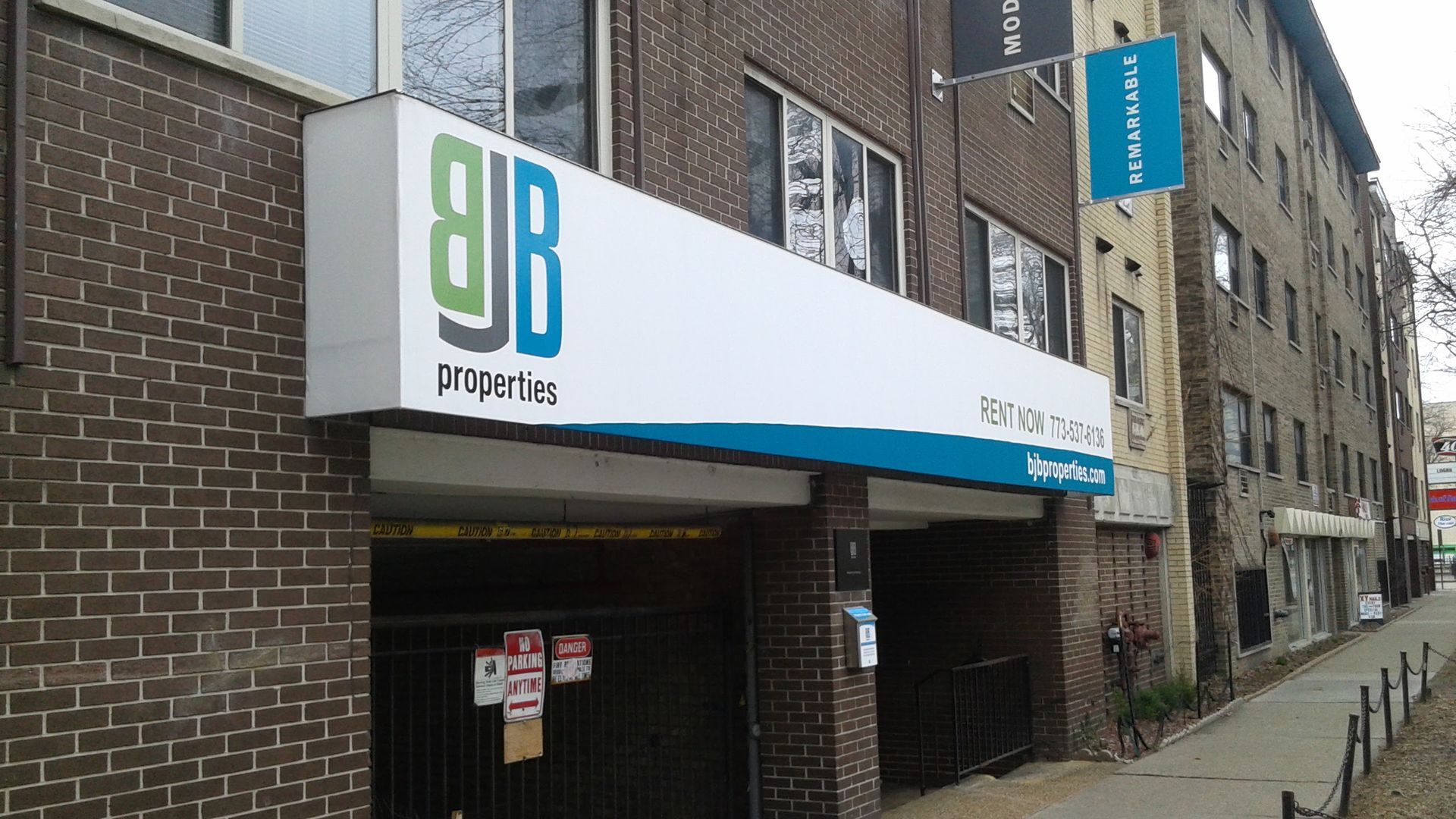
Midwest winters test every exterior detail on your building. Heavy, wet snow, fast temperature swings, and relentless wind will quickly expose weak points. If you manage facilities for retail, healthcare, schools, or multi-tenant offices, you need entryways, pickup lanes, and walkways to stay clear and safe. Standing seam metal awnings are built for this exact environment, and they outperform fabric options when it matters most.
This guide breaks down why, including panel profiles, coatings, snow shedding, load and attachment details, gutter integration, sealing, and real-world life expectancy. You will also find a winter-ready checklist to prevent leaks and ice dams, plus a straightforward look at maintenance and total cost of ownership.
Why standing seam wins in winter
- Durability in freeze thaw cycles: Interlocking vertical seams create a watertight plane that resists wind-driven snow and ice. No fabric stretch, no sag, no moisture intrusion at stitch lines.
- Snow shedding geometry: Sloped standing seam panels encourage snow to slide off in manageable layers, reducing static load and ice buildup.
- Structural integrity: Metal awnings are engineered with defined snow and wind loads, using rigid frames and secure wall attachments that handle Midwest storms.
So, what is the most durable awning? For year-round commercial use in cold climates, a well designed standing seam metal awning is the most durable awning. It delivers structural strength, weather resistance, and long service life with minimal upkeep.
Best metals and finishes for long life
What is the best metal to use for outdoor awnings? For most commercial projects, 24 to 22 gauge galvanized or Galvalume steel with a factory baked finish is the workhorse choice because it balances strength, dent resistance, and cost. Aluminum is an excellent alternative for coastal or deicing salt exposure, thanks to its corrosion resistance and lighter weight. Copper and zinc are premium architectural options for signature projects, though they come at higher cost and require specialized detailing.
Protective coatings matter as much as the base metal. High performance polyester or PVDF (Kynar) finishes provide exceptional color retention, chalk resistance, and protection against road salt, sleet, and UV. Where pedestrian contact occurs, specify abrasion resistant finishes and consider ice guards to control sliding snow.
Panel profiles that shed snow and stop leaks
Standing seam panel profiles vary, but for awnings and canopies in snow country, look for:
- Mechanically seamed or high snap seam heights, typically 1.5 inches or taller, to resist water intrusion.
- Hidden fasteners to eliminate exposed penetrations in the weather plane.
- Slopes of 3:12 or greater where possible for better snow shedding. Lower slopes can work, but require careful seam selection and underlayment.
Underlayment and flashing are non-negotiable. Self adhering ice and water shield at eaves and wall interfaces, plus continuous cleats and end dams, keep meltwater where it belongs, outside your envelope.
Load considerations and attachment that protect your facade
Engineering for site specific snow and wind loads is essential. Key practices include:
- Framing: Welded or bolted steel or aluminum frames sized for the governing load combination, with deflection limits to protect panels and sealants.
- Anchoring: Attachment to structural substrates, not just veneer. Use through bolts, backup plates, or embeds as required. For masonry, chemical anchors into grout filled cells or structural members are typical.
- Drift and sliding snow: Evaluate adjacent roof planes. A higher roof can drift snow onto a lower awning. Snow guards or diverters on the upper roof may be needed.
Gutter and downspout integration
Can you put gutters on a metal awning? Yes. In fact, integrating a continuous gutter with properly sized downspouts is one of the best ways to prevent icicles, splashback, and slippery entries. Use heavy gauge, color matched metal with internal hangers. Direct downspouts to heated drainage paths or snow melt systems when possible, and keep outlets clear of pedestrian routes.
Sealing and leak prevention
How to seal a metal awning? Start with design, then materials:
- Use high quality butyl tape at seams and flashings, not generic caulk alone.
- Select compatible sealants, typically a polyurethane or silyl terminated polymer, and apply to clean, dry surfaces within temperature guidelines.
- Install end dams at wall flashings, kick outs at terminations, and counterflashing that sheds over the panel plane.
- Inspect and tighten hidden fasteners after the first season when thermal cycles have occurred.
Add a snow guard plan where falling snow could damage gutters or landscaping. Guards should be engineered, not improvised.
Life expectancy and maintenance
What is the life expectancy of a metal awning? With quality materials and proper installation, standing seam metal awnings routinely last 30 to 50 years. Coatings typically carry 20 to 35 year finish warranties, and frames can outlast multiple finish cycles.
Maintenance is light. Plan seasonal inspections to clear gutters, confirm sealant integrity at flashings, and wash away deicing residue. Compare that with fabric awnings that may require periodic re-covering, tension adjustments, or replacement after severe winters. Over a 20 year horizon, the total cost of ownership of standing seam is often lower.
Aesthetic options for modern facilities
Metal awnings do not have to look industrial. You can choose:
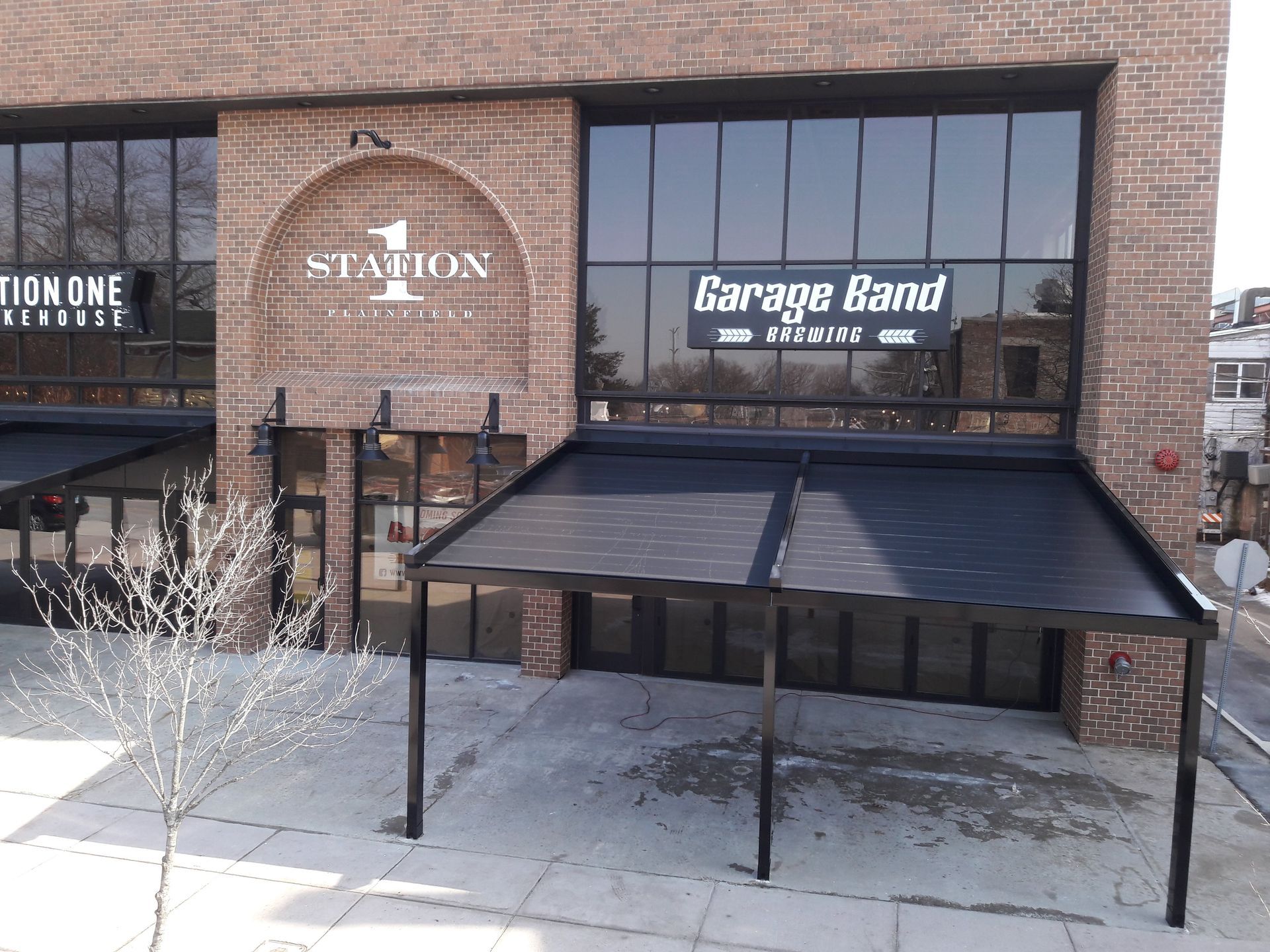
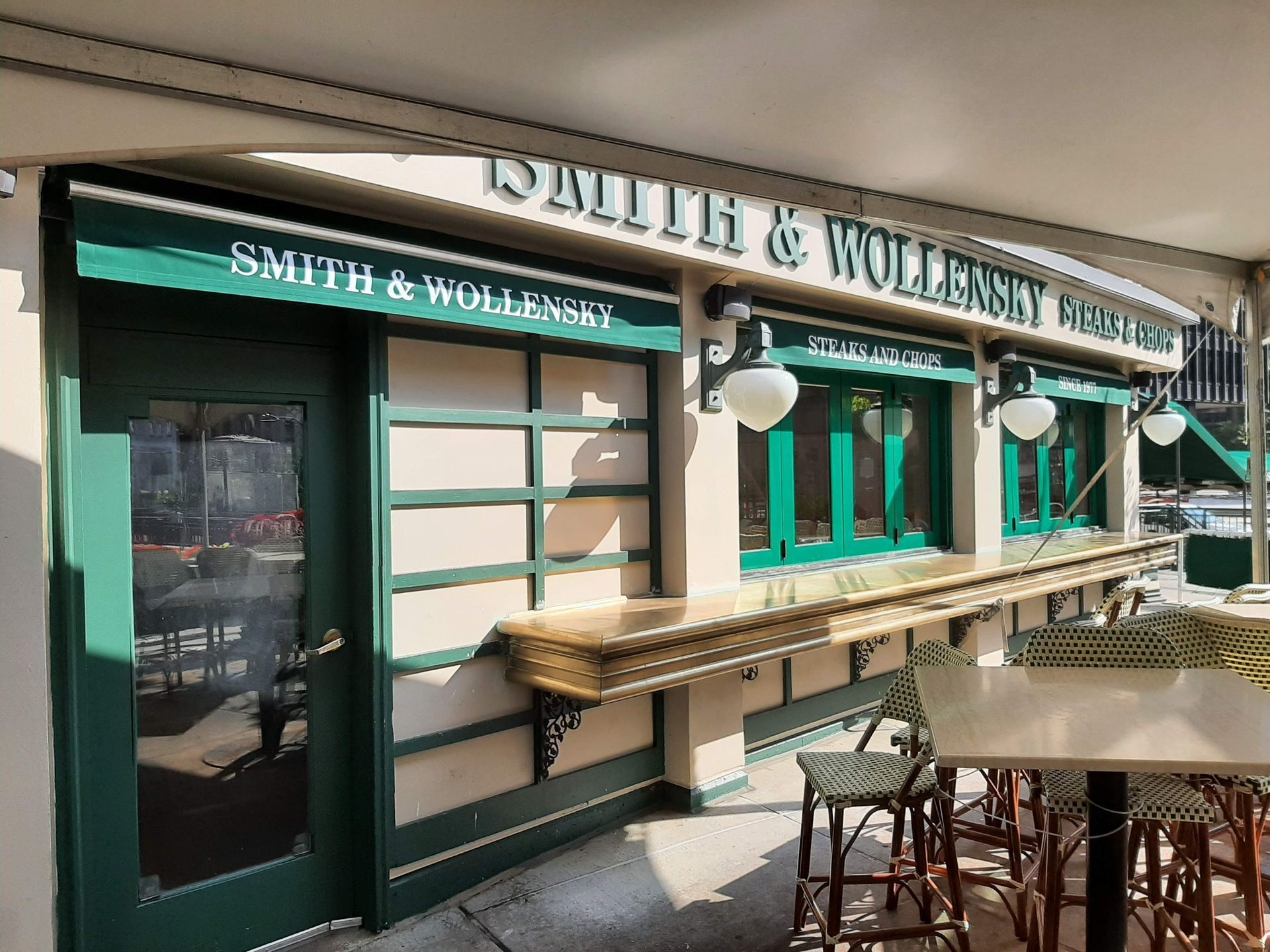
Crisp fascia trims and concealed gutters for a clean, monolithic edge. Color matched finishes that complement brand palettes, with optional accent reveals. Integrated lighting for safer entries and wayfinding. Coordinated signage, from dimensional letters to under canopy illumination, to guide visitors for retail, healthcare, and schools.
If you are planning an update across multiple sites, explore solutions like an architectural awning elmhurst to align performance and brand presence across locations.
Winter ready installation checklist
Use this quick list before the first big freeze:
- Structural attachment: Confirm anchors engage structural framing, and verify torque or pull test results where specified.
- Slope and snow management: Validate minimum slope, add snow guards where pedestrian or vehicle zones are below, and consider heated mats at downspout discharge points.
- Flashing and sealing: Continuous cleats, end dams, kick outs, and counterflashing installed in shingle fashion, with butyl tapes and compatible sealants. Underlayment: Ice and water shield at eaves and wall lines, plus slip sheet where needed to avoid abrasion. Gutter integration: Sized for peak melt, with heat trace where icing is common, and downspouts routed away from walkways. Drainage path: Grade and site conditions move water away from doors and into safe runoff zones. Final inspection: Walk the system after the first snowfall to confirm shedding patterns and make small adjustments before deep winter sets in.
What to budget
What is the average price for an awning? Pricing varies widely by size, projection, structural requirements, coatings, and extras such as lighting or signage. As a very broad guideline, commercial standing seam metal awnings often range from a few thousand dollars for a small entry to tens of thousands for large canopies or continuous walkway coverage. Engineering, permitting, and site conditions influence the final number. A quick site review will provide a more accurate estimate.
The bottom line
If you want an awning that keeps working when the weather turns, a standing seam metal system is your best bet. You get engineered snow load performance, secure attachment, integrated drainage, low maintenance, and a contemporary look that fits retail, healthcare, and education environments.
Thatcher Oaks designs, fabricates, and installs these systems in house for Chicagoland and Northwest Indiana. If you need a local expert for a standing seam metal awning elmhurst project, or you are exploring elmhurst commercial shade solutions for multiple properties, our team is ready to help. Reach out to review your site loads, finishes, and detailing, then head into winter with confidence. Call 630 833 5700 or email info@thatcheroaks.com to get started.