Safer school and healthcare campuses: designing canopy walkways for all-weather protection

Snow, rain, and ice do not wait for the bell schedule or visiting hours. For schools and healthcare campuses, uncovered paths can turn routine movements into safety risks and accessibility challenges. A well-designed canopy walkway keeps people moving, protects entrances, and makes wayfinding simple in every season.
If you are planning covered routes between buildings, pickup zones, or parking, the details matter. Span and footing choices affect durability. Drainage and lighting affect day-to-day usability. In Chicagoland, snow load and freeze-thaw cycles should guide every structural decision.
This practical guide walks through the key considerations for safer, all-weather canopy walkways, with budgeting, phasing for occupied sites, and opportunities to align with grants and energy goals.
Start with purpose, path, and people
Map the trips you need to protect. Typical routes include bus loops and parent pickup, parking to entrances, building-to-building connectors, and patient drop-off areas. Measure peak use and mobility needs. If you serve wheelchairs, walkers, strollers, and gurneys, target clear widths of 8 feet or more at busy zones and 10 feet at queuing points. Maintain at least 8 feet of vertical clearance to accommodate signage and snow shedding.
For schools and hospitals, visibility and supervision matter. Favor open-sided canopies with clear sightlines near entrances, and consider windscreens only where exposure is severe or drifting snow is frequent.
Span, supports, and footings that stand up to winter
Span length drives structural depth and cost. Shorter bays, typically 10 to 15 feet between columns, reduce beam size, control deflection, and simplify snow-load design. In areas where vehicle access must pass through, plan for occasional longer spans with reinforced members.
Footings should be sized for frost depth, local soil bearing, and drift-prone locations. In Chicagoland, frost depth commonly extends 42 inches or deeper. Use frost-protected, reinforced concrete piers with anchor bolts set for the canopy’s base plates. Coordinate footing placement with underground utilities and maintain accessible route widths after installation.
When retrofitting existing walks, a metal system with modular posts can often adapt to site constraints. If you are exploring a Hinsdale metal walkway canopy or an awning retrofit in Hinsdale, look for in-house engineering and installation to streamline coordination and code compliance.
Snow load and Chicagoland-specific design
Design for the local ground snow load per the latest International Building Code (IBC) and local amendments. Beyond uniform snow, account for drift and sliding accumulation where roof forms change height or meet taller walls. Standing seam metal roofs perform well for snow shedding, but plan snow guards near eaves that face entrances and accessible routes to prevent slide-off.
Fastener selection, corrosion protection, and sealed penetrations are critical. Choose galvanized or powder-coated steel, or aluminum with compatible fasteners. In high-use healthcare entrances, a standing seam profile with concealed fasteners limits maintenance and water intrusion.
Drainage that protects the walkway and the people using it
Water management prevents ice. Integrate gutters and downspouts sized for peak rainfall and snowmelt. Direct discharge away from the walking surface and avoid outlets that create refreeze hazards at transitions. Where grade allows, route downspouts to underground drains or splash blocks that lead to landscaped areas. In freeze-prone spots, heat-traced downspouts can reduce icicle formation.
At building tie-ins, use properly flashed connections or free-standing standoffs that keep water from traveling into the facade. Slope the canopy roof a minimum of 1:12 to move water predictably to collection points.
Lighting, electrical, and low-voltage integration
Even coverage is safer than bright-hot spots. Aim for continuous, low-glare LED fixtures integrated into the canopy frame. Specify 4000K to 5000K color temperature for clarity and camera compatibility, and choose vandal-resistant housings in high-traffic areas. Plan conduit runs within the canopy beams or columns to protect wiring from the elements.
Coordinate lighting controls with campus standards. Photocell and timeclock combinations work well, and occupancy sensors can dim to save energy when walkways are empty. If your canopy doubles as a branding or wayfinding element, integrate low-voltage for illuminated signage.
For projects around Elmhurst where you want durable metal profiles and integrated lights, explore options like a standing seam metal awning in Elmhurst to align appearance at entries and walkways.
Slip resistance at transitions
Most falls happen where surfaces change. Pay special attention to:
- Thresholds and curb ramps, where meltwater re-freezes overnight
- Grade changes and slopes that exceed 5 percent
- Door zones where snow load from the canopy edge can slide
Use heavy-duty, textured concrete finishes or structural pavers with high wet coefficient of friction. Consider radiant snow-melt at key points, such as patient drop-off curbs. Add high-contrast nosing at steps, and maintain a consistent cross slope of 1.5 to 2 percent to drain without creating cross-fall instability for wheelchairs.
Wayfinding and signage that guides, not clutters
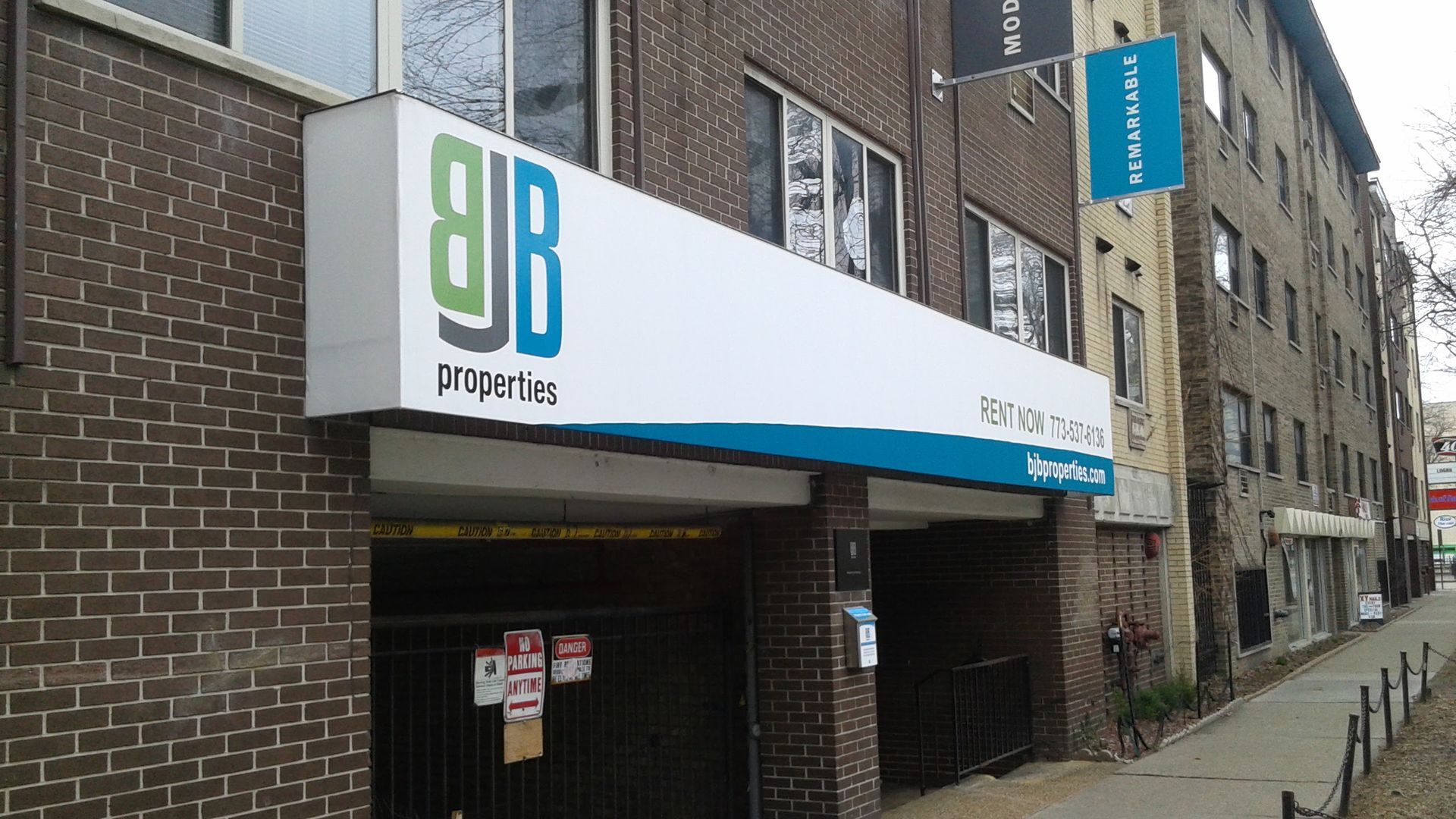
Clear routes reduce congestion. Use simple, high-contrast graphics naming buildings, clinics, or grade wings. Mount signs where they are visible out of the weather and do not conflict with lighting. At main entries, combine protection with identity so people know they have arrived. If you are planning campus branding or directionals, work with a partner experienced in canopy-integrated signage so maintenance and snow-load ratings remain intact. For example, campuses planning brand signage installation in Hinsdale often coordinate canopy structure and sign weight at the same time.
Budgeting, phasing, and working on occupied campuses
Costs vary by size, material, lighting, and site complexity. For planning purposes, most institutions treat canopy walkways as a capital project with line items for design, fabrication, footings, electrical, and installation. Request an itemized proposal that separates structure, roof system, lighting, drainage, and signage. Include allowances for ADA upgrades at adjacent walks and any required patch and repair.
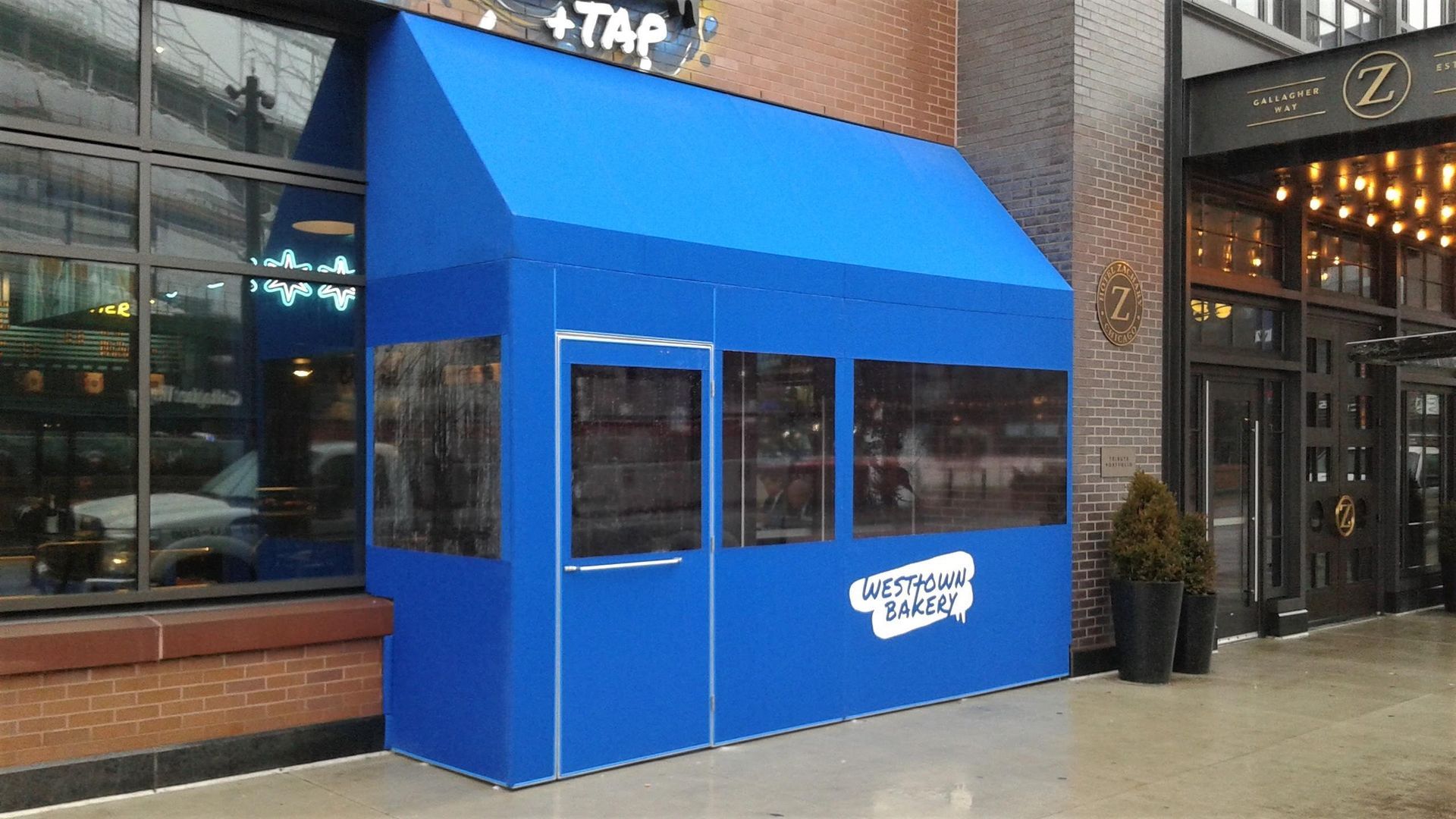
Phasing is key when the campus stays open. Sequence work during off-peak hours, fence active areas, and maintain code-compliant detours. Prefabricated sections shorten on-site time and reduce disruption. For winter installs, specify cold-weather concrete procedures and temporary protection at entrances. If your project schedule is tight, look into temporary vestibule installations in Hinsdale or nearby suburbs to shield doorways while permanent canopies are fabricated.
Permits, codes, and inspections
In most municipalities, canopy walkways and awnings attached to buildings require a building permit and inspections. Requirements can include structural drawings stamped by a licensed engineer, site plans showing clearances and accessible routes, electrical permits for lighting, and reviews for snow-load compliance. Healthcare facilities may have additional life-safety reviews. Start early with your authority having jurisdiction, and engage a contractor who provides permit support and as-built documentation. If you need a local partner, experienced Hinsdale commercial awning contractors can help navigate submittals and inspections.
Grants, incentives, and energy considerations
Covered walkways can support energy and resilience goals. Opportunities include:
- Reduced door cycling and heat loss when paired with entry vestibules
- LED lighting efficiency incentives through local utility programs
- Safety grants focused on slip-and-fall prevention or safe routes to school
Capture these in your funding narrative and ask vendors for spec sheets and photometrics to document savings. For Elmhurst facilities prioritizing durable, low-maintenance options, four-season awnings in Elmhurst and related canopy solutions may align with energy and operations targets.
Are canopies worth it?
For schools and healthcare campuses, the value is practical and ongoing. Canopies reduce weather-related injuries, keep operations on schedule, protect finishes at entries, and create a more dignified experience for patients, students, and visitors. They also consolidate lighting and wayfinding into one coordinated system.
Quick FAQ
- What is a commercial canopy?
A commercial canopy is a fixed overhead structure that provides weather protection and shade at entries, walkways, and drop-off areas. It can be free-standing or attached, and is engineered for wind and snow loads typical for the region. - How much does it cost to install a canopy?
Costs vary with size, materials, engineering, lighting, and site conditions. Institutions often budget as a capital project and request itemized proposals. A local site assessment is the best way to develop an accurate estimate.
Do I need a permit to put up an awning or canopy?
Typically yes. Most municipalities require a building permit, structural drawings, and inspections. Electrical permits are needed for lighting. Always confirm with your local building department.- Are there different types of canopies?
Yes. Common types include standing seam metal, aluminum-frame with metal or rigid panels, tensioned-fabric systems, and integrated vestibule-canopy combinations. Selection depends on durability goals, aesthetics, and maintenance preferences. - Are canopies worth it for campuses?
Often yes. They improve safety, accessibility, wayfinding, and the day-to-day experience across seasons, which can reduce operational disruptions and weather-related incidents.
Bringing it all together
A safe, all-weather canopy walkway starts with clear goals, then follows through with solid structure, smart drainage, even lighting, and signage that guides without clutter. In Chicagoland, snow-load design and slip-resistant transitions are non-negotiable. If you are evaluating options or planning a phased rollout, connect with a partner who fabricates and installs in-house and supports permitting, electrical coordination, and campus scheduling. To explore durable profiles and campus-ready details, see options for a standing seam walkway canopy in Elmhurst or talk with a local team about commercial canopy installation in Hinsdale to plan your next step.