Midwest summer maintenance: Keep your commercial awnings looking their best
Midsummer in Chicagoland brings bright sun, surprise storms, and heavy foot traffic. Your awnings and canopies work hard through it all. A simple mid-season tune-up protects the structure, preserves graphics and finishes, and keeps your storefront welcoming.
This guide walks facilities teams and property managers through a practical inspection and cleaning routine you can complete now, plus clear signals for when to call Thatcher Oaks in Elmhurst for professional repair, fabric replacement, or re-lettering. Done well, mid-season care can extend service life, reduce downtime, and safeguard your brand image.
“Fast, polite, and on time. The technician walked our site, tightened hardware, cleaned up, and had our storefront looking sharp before lunch.”
Why midsummer matters for awning care
Summer exposes weaknesses that spring inspections can miss. UV intensifies fabric fade, sudden downpours test sealants and gutters, and daily use can loosen fasteners. Addressing small issues now usually costs less than urgent fall repairs and helps you enter storm season prepared.
Seasonal inspection checklist
Plan a visual walk-around on a dry day. Photograph any concerns so you can track change over time.
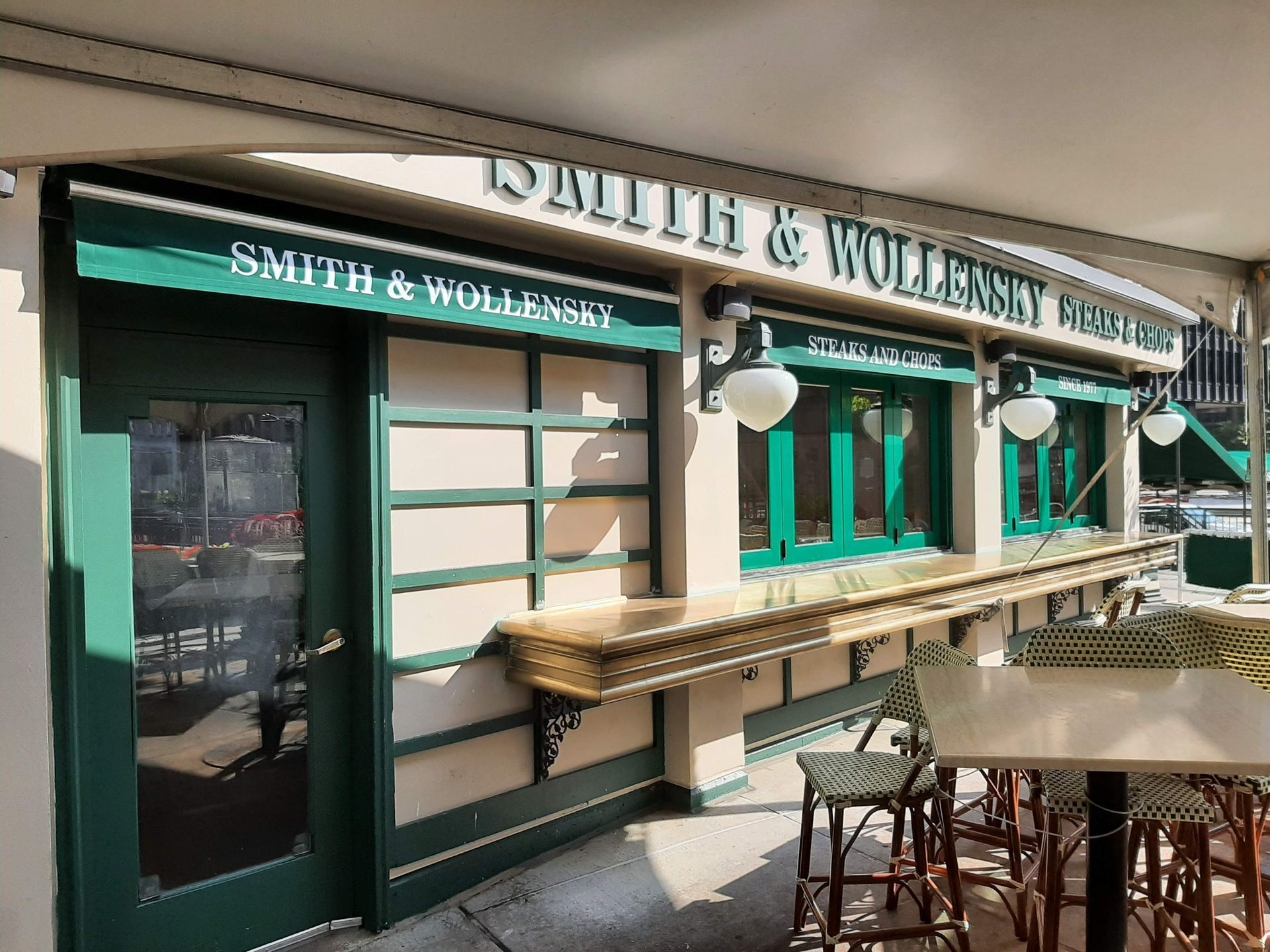
- Fabric and tension: Look for sagging panels, scalloped edges, or pooling after rain. Check for pinholes when backlit by the sun. Valances should hang straight with neat hems.
- Seams and graphics: Inspect stitched or heat-sealed seams for lifts, cracking, or wicking. Note peeling vinyl graphics, faded colors, or ghosting where letters were removed.
- Frame and hardware: Confirm brackets, arms, and rafters are straight and free of play. Look for corrosion, missing fasteners, or loose end caps. Tighten only to manufacturer torque guidance to avoid crushing tubing.
- Sealants and flashings: Examine wall tie-ins, end dams, and cap beads. Hairline splits or voids can invite water intrusion behind cladding.
- Anchorage and footings: For canopy columns and walkway supports, check base plates, grout, and anchor bolt condition. Note settlement, spalling, or rust staining.
- Drainage: Clear gutters and downspouts. Ensure scuppers and leader heads are unobstructed and secured.
If you observe structural movement, widespread seam failure, or anchor corrosion, pause use and schedule a professional evaluation.
Gentle cleaning methods by material
Keeping surfaces clean improves appearance and helps coatings last longer. Always test-clean a small, hidden area first and follow manufacturer instructions for your specific fabric or finish.
Fabric canopies and awnings:
- Rinse with low-pressure water to remove grit before brushing. High-pressure wands can drive water into seams and damage threads.
- Use a mild soap solution, such as a few drops of dish soap per gallon of lukewarm water. A soft-bristle brush lifts dirt without scuffing.
- For mildew or tree tannins, many outdoor fabrics tolerate a diluted solution of soap with a small amount of bleach, but compatibility varies. Verify fabric guidance before using any bleach, and keep it off threads, adjacent finishes, and landscaping. Rinse thoroughly.
- Avoid petroleum solvents, citrus strippers, abrasive powders, and unapproved graffiti removers that can cloud vinyl, break down seam adhesives, or void warranties.
Aluminum and standing seam metal:
- Wash with a pH-neutral car-wash type soap and soft mitt. Rinse top to bottom.
- For stubborn spots, use a non-scratch sponge and more dwell time rather than aggressive scrubbing.
- Do not use strong alkalis, acid brighteners, or scouring pads that can haze polyester or PVDF coatings.
Acrylic faces on illuminated signage integrated with canopies should be wiped with a soft cloth and a cleaner approved for plastics to avoid crazing.
Safe lubrication for moving components
If you have a retractable unit or hinged access panels, light lubrication can quiet operation and reduce wear.
- Clean first so grit does not become abrasive.
- Use a dry silicone spray or PTFE-based dry lube sparingly on pivot points and tracks, shielding fabric from overspray with cardboard. Avoid petroleum greases that attract dust.
- Do not lubricate brake mechanisms or clutches unless the manufacturer specifies a product and procedure.
When in doubt, call for service. Incorrect lubrication can stain fabric or compromise mechanisms.
How scheduled service extends lifespan and branding appeal
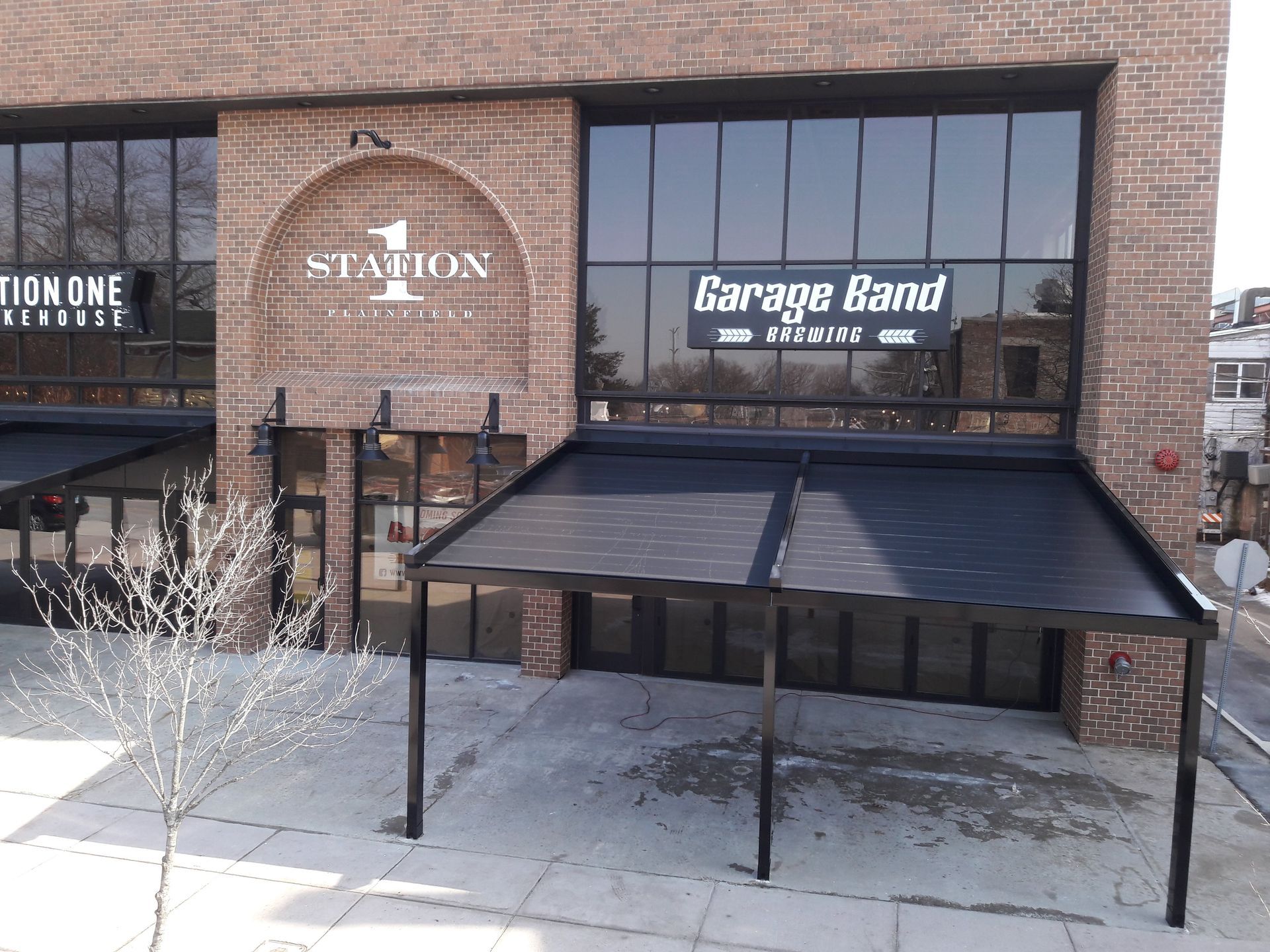
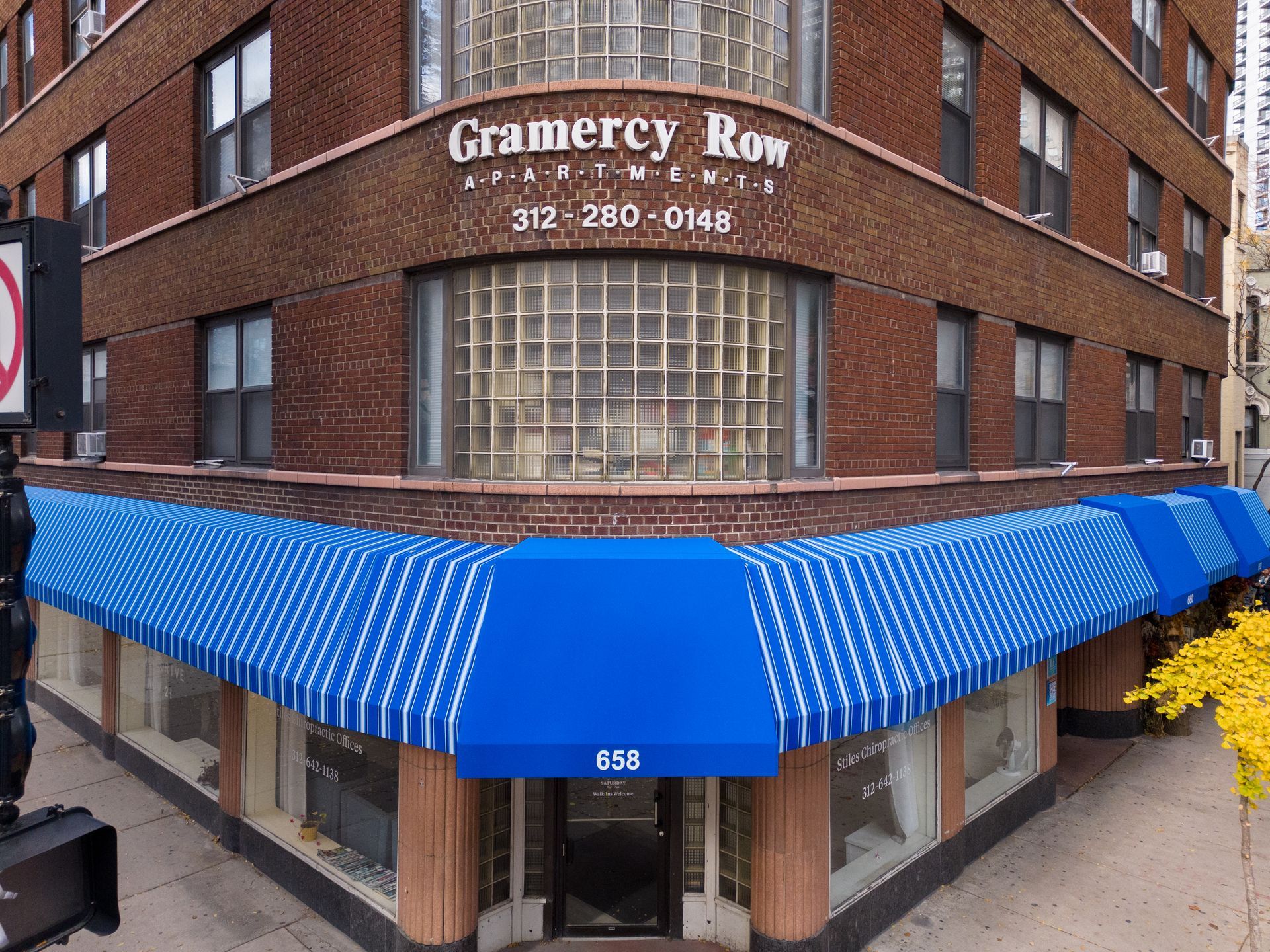
Commercial awnings often deliver two fabric lives on a solid frame when cared for routinely. Frames on quality systems can serve for decades; standing seam metal options commonly offer 30 to 50 years of life with proper coatings and maintenance. Mid-season service prevents small issues from escalating, protects finish warranties, and keeps logos legible and true to color. Clean, taut canopies read better from the street and support consistent brand recognition.
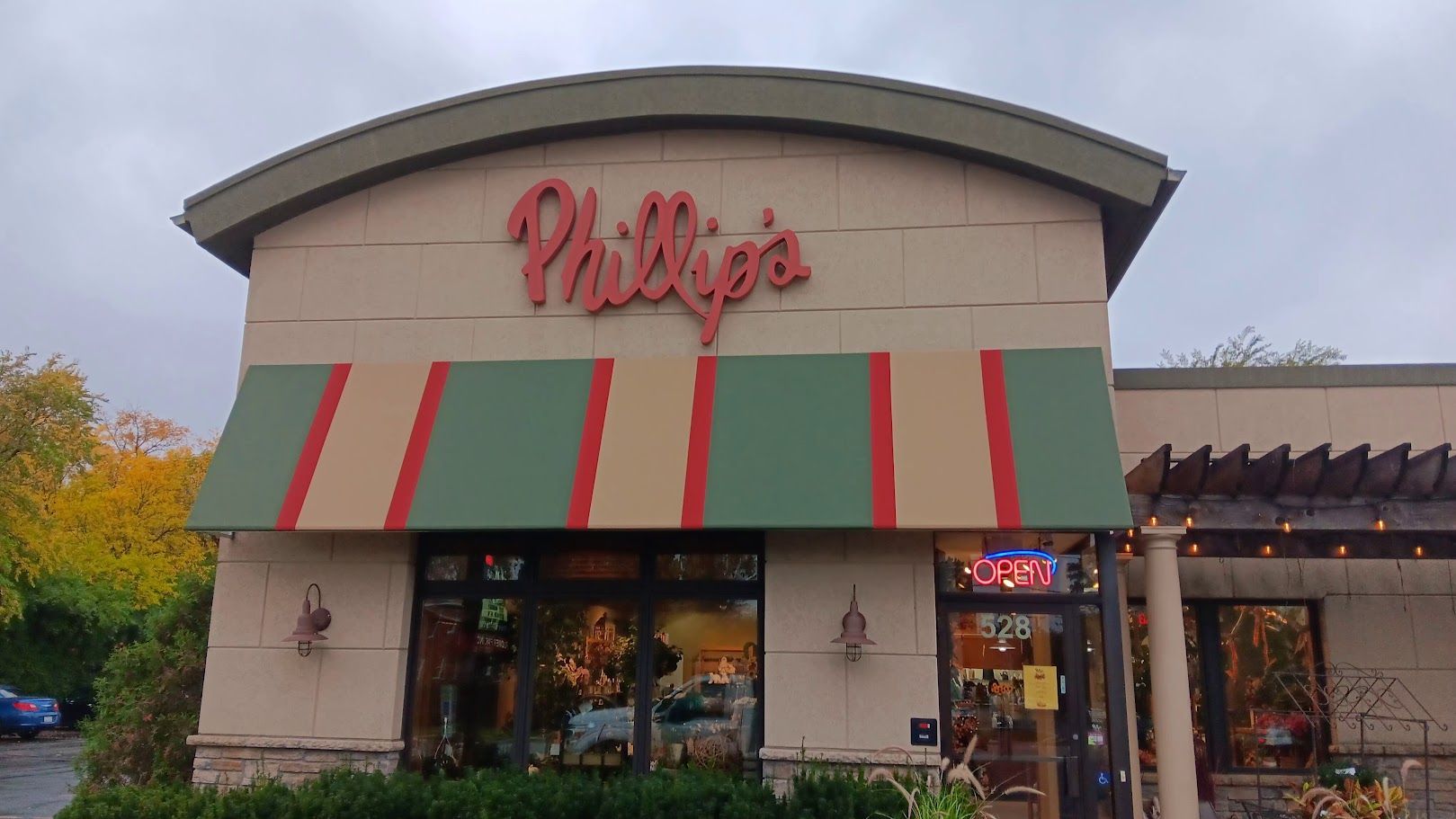
If your fabric is sound but faded or off-brand, a recover with new graphics can refresh the look at a fraction of full replacement cost. If your frame is compromised, Thatcher Oaks can advise on repair versus replacement and coordinate any needed permitting.
When to call Thatcher Oaks
Reach out to our Elmhurst team if you notice:
- Fabric tears, seam lifts, or chronic water pooling
- Loose hardware, bent members, or anchor corrosion
- Persistent leaks at wall tie-ins or flashing
- Faded or peeling graphics that need re-lettering
- Mechanism issues on retractables, such as uneven extension
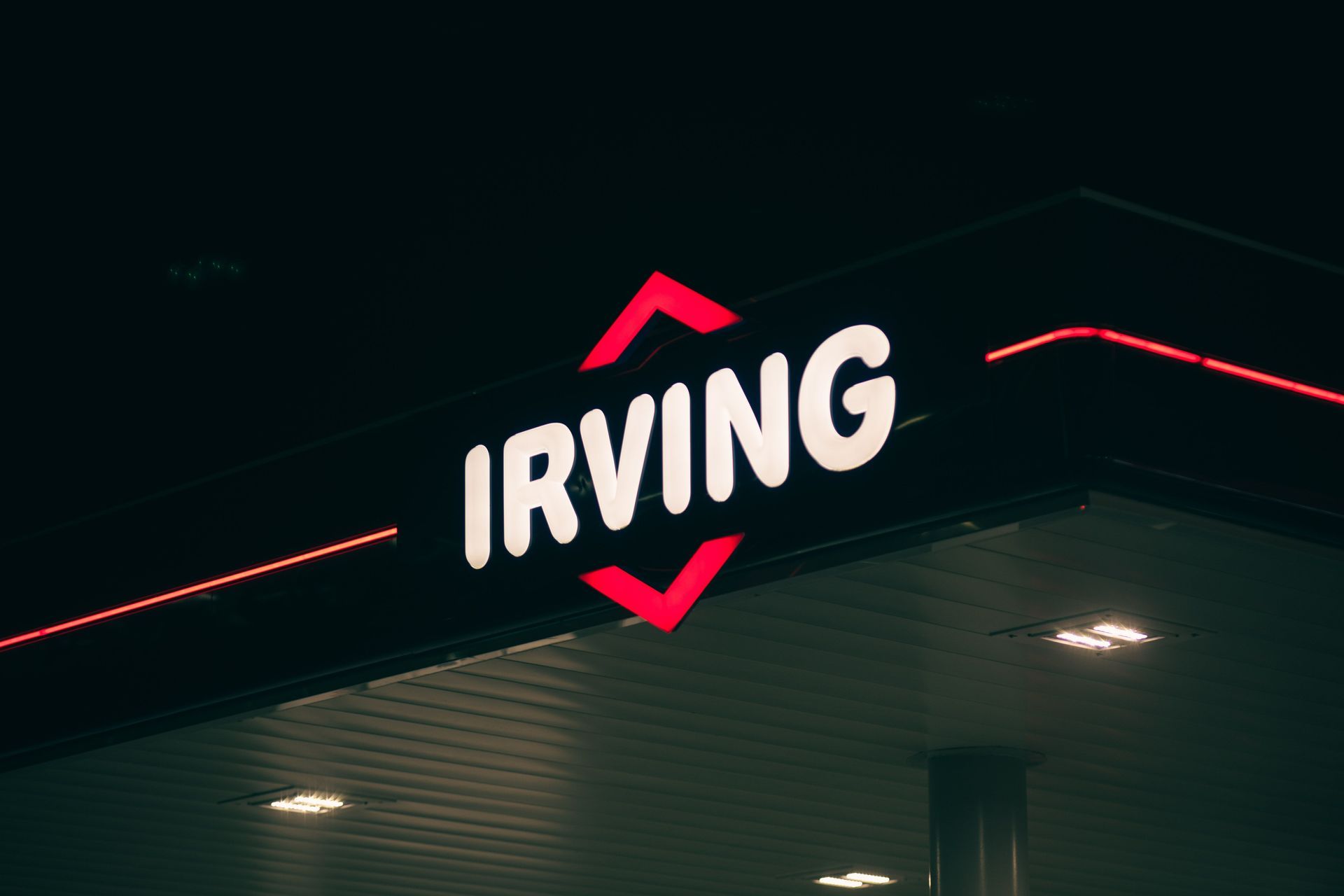
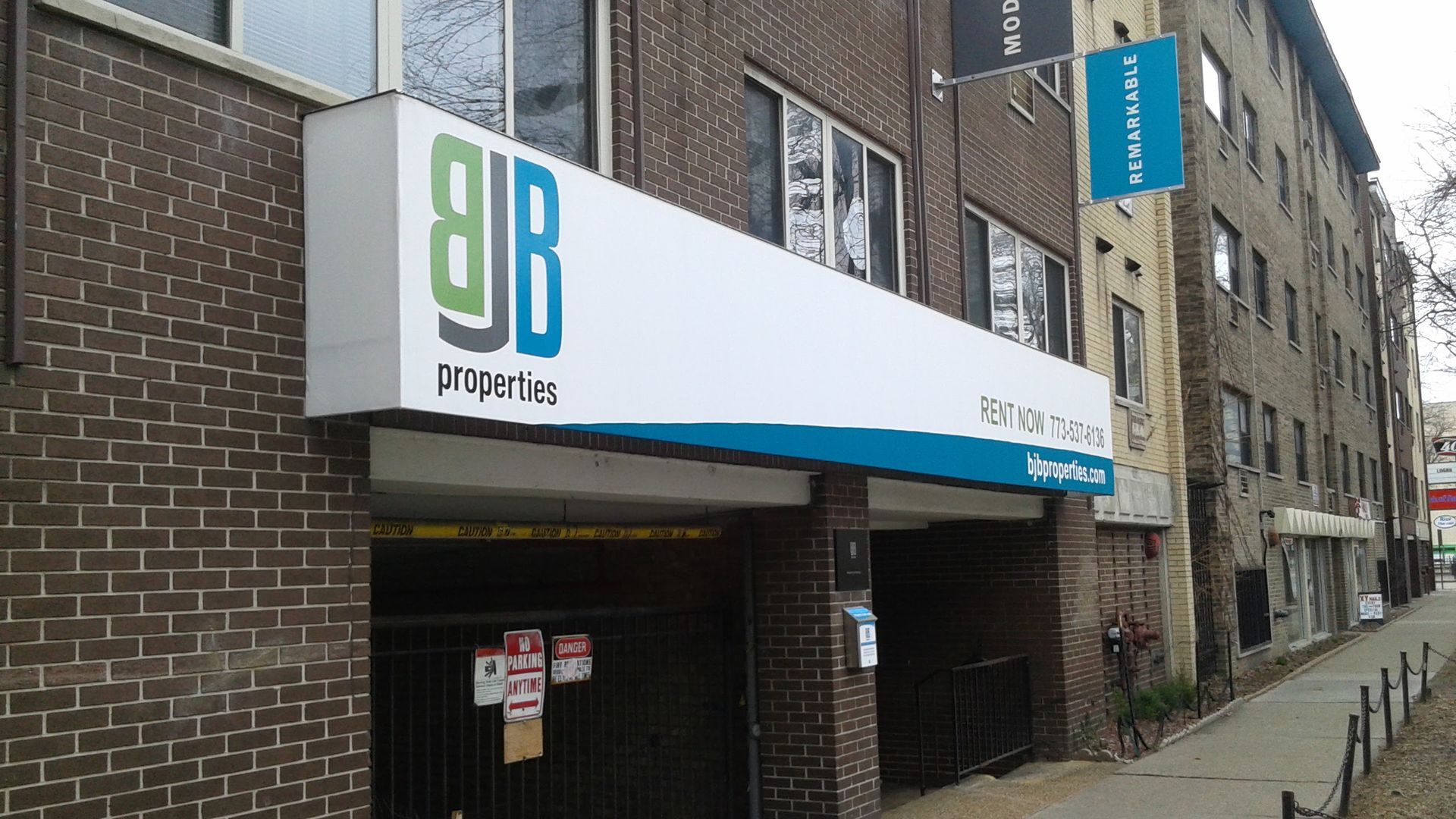
Our technicians provide condition assessments, minor on-site repairs, fabric replacement, and updated graphics. If you are evaluating a broader refresh, you can also explore integrated canopy signage or consider options like four-season awnings designed for Midwest conditions. Learn more about our Elmhurst commercial shade solutions on our site.
FAQ: Straight answers to common midsummer questions
- What is included in cleanup? A typical mid-season cleanup includes a low-pressure rinse, mild soap wash with a soft brush, detail rinse to remove residue, gutter and scupper clearing, and wipe-down of brackets and visible hardware. Technicians also pick up debris and leave the area tidy.
- How do you maintain an awning? Inspect seasonally, clean with gentle methods, keep fasteners snug per spec, check sealants and drainage, and schedule a professional assessment every 2 to 3 years or after major storms.
- Do awnings need servicing? Yes. Light cleaning each spring and fall, with a mid-season rinse during heavy pollen or construction nearby, helps. Professional service is recommended when you see damage, leaks, or mechanism issues.
- How do you lubricate a retractable awning? After cleaning, apply a light, dry silicone or PTFE spray to pivots and tracks while shielding the fabric. Avoid petroleum greases and do not lubricate clutches or brakes unless specified by the manufacturer.
- What chemical should you use to clean an awning? Start with mild soap and water. Only use diluted bleach where the fabric manufacturer approves it, and always rinse thoroughly. Never use petroleum solvents, citrus strippers, or abrasives.
- How long do commercial awnings last? Fabric lifespan varies by exposure and care, often supporting multiple fabric recovers on a solid frame. Standing seam metal awnings commonly last 30 to 50 years with proper materials and maintenance.
Planning a refresh or a repair this summer
If midsummer has highlighted bigger needs, Thatcher Oaks can help you evaluate options, from a straightforward recover and re-lettering to a standing seam upgrade. If you manage multiple sites, our Elmhurst team can phase work to limit disruption and coordinate permitting where required. For nearby communities, we fabricate and install a wide range of solutions, including standing seam metal awnings and integrated signage for Elmhurst properties. If you are exploring a walkway or entry canopy for queuing, see examples of our Elmhurst commercial canopy sign integrations on our site.
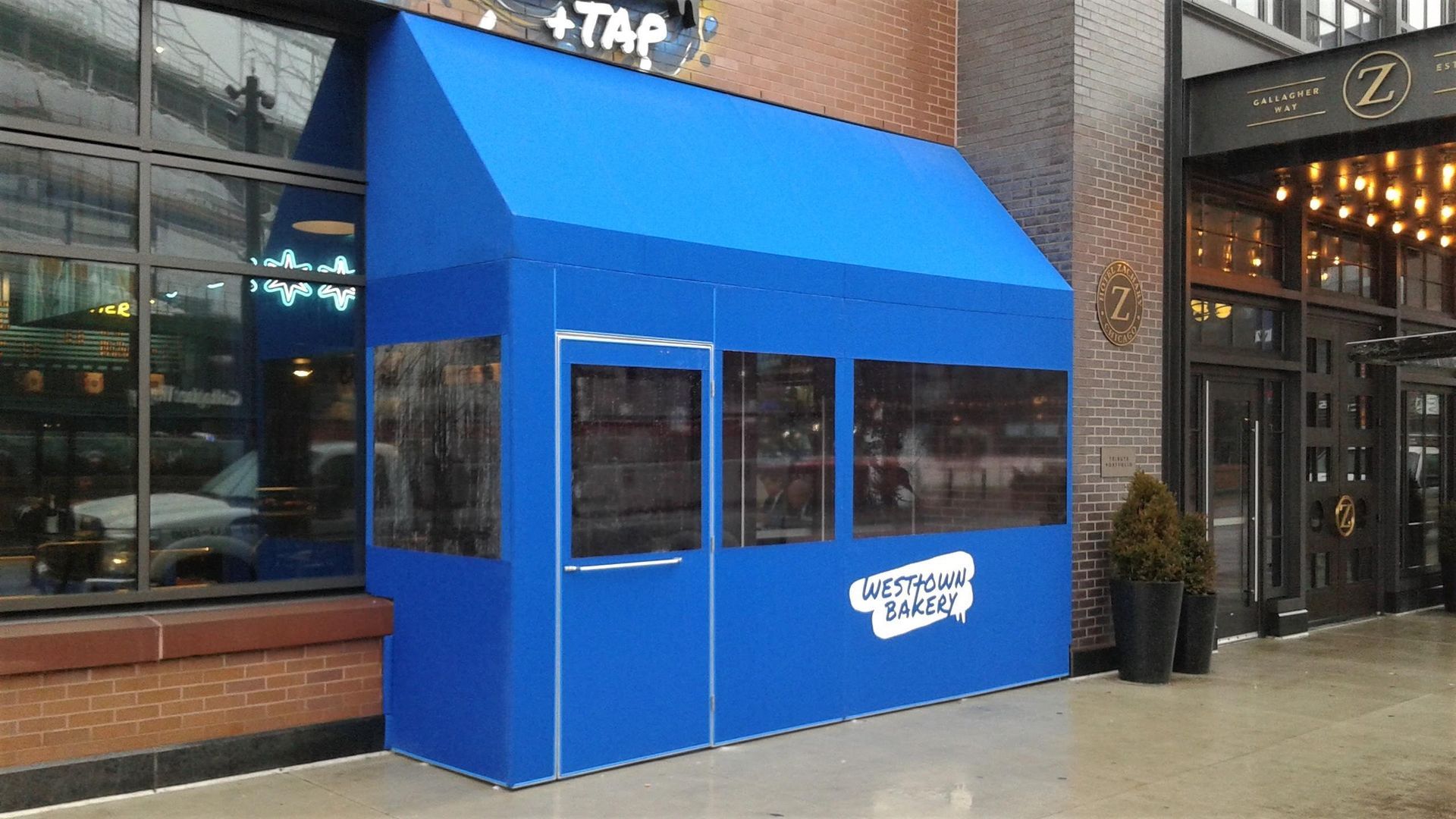
For businesses considering vestibules when cooler weather returns, you can preview seasonal options now and plan ahead. Our guide to Elmhurst temporary vestibules outlines configurations, permitting, and storage tips so you can reserve fabrication time before fall.
Next step
Protect your investment and your curb appeal. Schedule a mid-season inspection with our Elmhurst team. Call 630-833-5700 or email info@thatcheroaks.com, and we will set a convenient service window that works for your site.
Internal links to help you plan:
- Explore Elmhurst commercial shade solutions: https://www.thatcheroaks.com/elmhurst-il-commercial-awnings
- See canopy and signage options for Elmhurst properties: https://www.thatcheroaks.com/elmhurst-il-commercial-awnings
- Review temporary vestibule choices in Elmhurst: https://www.thatcheroaks.com/commercial-vestibules
Summary: A quick midsummer inspection and gentle cleaning go a long way toward preserving awning performance, extending service life, and keeping branding crisp. Address small issues now, and call Thatcher Oaks for expert repairs, fabric replacement, or re-lettering when you need support.